

Why your steering wheel shakes at freeway speed
You’re heading up the Tullamarine Freeway, the car feels fine, then somewhere past 90 km/h the steering wheel starts buzzing in your hands. Ease off and it settles. Get back up to speed and it’s there again. If that sounds like your drive to work, you’re not imagining it.
When a steering wheel shakes at high speed, it usually points to something in the wheels, tyres or suspension, not the engine. The good news is that the most common cause is cheap and quick to sort out. A couple of the less common causes matter a lot more, so it’s worth knowing which one you’re dealing with.

Shaking at speed isn’t the same as shaking when you brake
This is the first thing to get straight, because it changes the whole answer.
If you only feel the shake when you slow down, through the brake pedal or the wheel as the car comes to a stop, that’s a braking problem. It’s usually warped brake rotors, and it gets fixed a different way. We cover that one separately in our guide to why your steering wheel shakes when braking.
This article is about the other kind. Your foot is off the brake, you’re sitting at a steady cruise, and the wheel buzzes anyway. If your car vibrates at high speed but feels perfectly smooth crawling through the shops, the wheels and tyres are the first place to look.
A shake you feel while braking and a shake you feel at a steady 100 are two different faults, and they get fixed two different ways.
Where you feel it, and what it usually means
| Where you feel it | Likely cause | What it needs |
|---|---|---|
| Steering wheel, from about 90 to 100 km/h, at a steady cruise | Wheel out of balance | Wheel balance |
| Car pulls to one side, one tyre edge wearing faster | Wheel alignment out | Wheel alignment |
| Vibration still there right after a balance, maybe a visible bulge | Worn or flat-spotted tyre | Tyre check or replacement |
| Vibration plus a slow tyre leak after a pothole | Bent rim | Rim repair or replacement |
| Looseness or knocking, shake that changes over bumps | Worn tie rod or ball joint | Steering inspection |
| A hum or drone that changes when you turn, then a shake | Worn wheel bearing or CV joint | Suspension inspection |
This is a rough guide, not a diagnosis. More than one of these can happen at once, and only a look at the car will confirm which.
What makes a steering wheel shake at high speed
- Wheel balance is the most likely cause. Every tyre and wheel has tiny heavy spots. When your tyres are fitted, a machine spins each wheel and small weights are clipped to the rim to even it out. Those weights can fall off, and the balance drifts as the tyre wears down. An out-of-balance wheel wobbles a small amount every single turn. At town speeds you don’t notice it. From about 90 to 100 km/h the wobble speeds up enough to buzz through the steering wheel. Rebalancing is the cheapest fix on this list. A full set of four is usually around $60 to $120, and often free when you buy new tyres. If you feel the shake mostly in the steering wheel, it’s usually a front wheel. If you feel it more in your seat, it’s often a rear one.
- Wheel alignment is the one that wears your tyres. Alignment is the angle your wheels sit at. Hit a pothole or clip a kerb hard and those angles can shift. Bad alignment doesn’t usually cause the shake on its own. What it does is wear your tyres unevenly, and an unevenly worn tyre then vibrates. The tell is a car that pulls to one side, or a tyre worn right down on one edge while the other edge looks fine. Alignment and balance often go hand in hand, which is why a workshop checks both together. A wheel alignment usually costs about $80 to $150 for most cars, and more for 4WDs and larger SUVs.
- A worn or damaged tyre can shake on its own. If the vibration is still there straight after a fresh balance, the tyre itself might be the problem. A tyre can develop a flat spot from sitting in one place too long or from a hard skid. It can also form a bulge where the belt inside has come apart, often after a solid pothole hit. A bulging tyre isn’t safe to keep driving on. It needs replacing, not balancing.
- A bent rim gives a shake you can’t balance out. Melbourne roads cop a hammering over winter, and a deep pothole on the Western Ring Road can bend a rim, whether it’s steel or alloy. A bent rim vibrates and sometimes leaks air slowly. Some can be straightened, others have to be replaced.
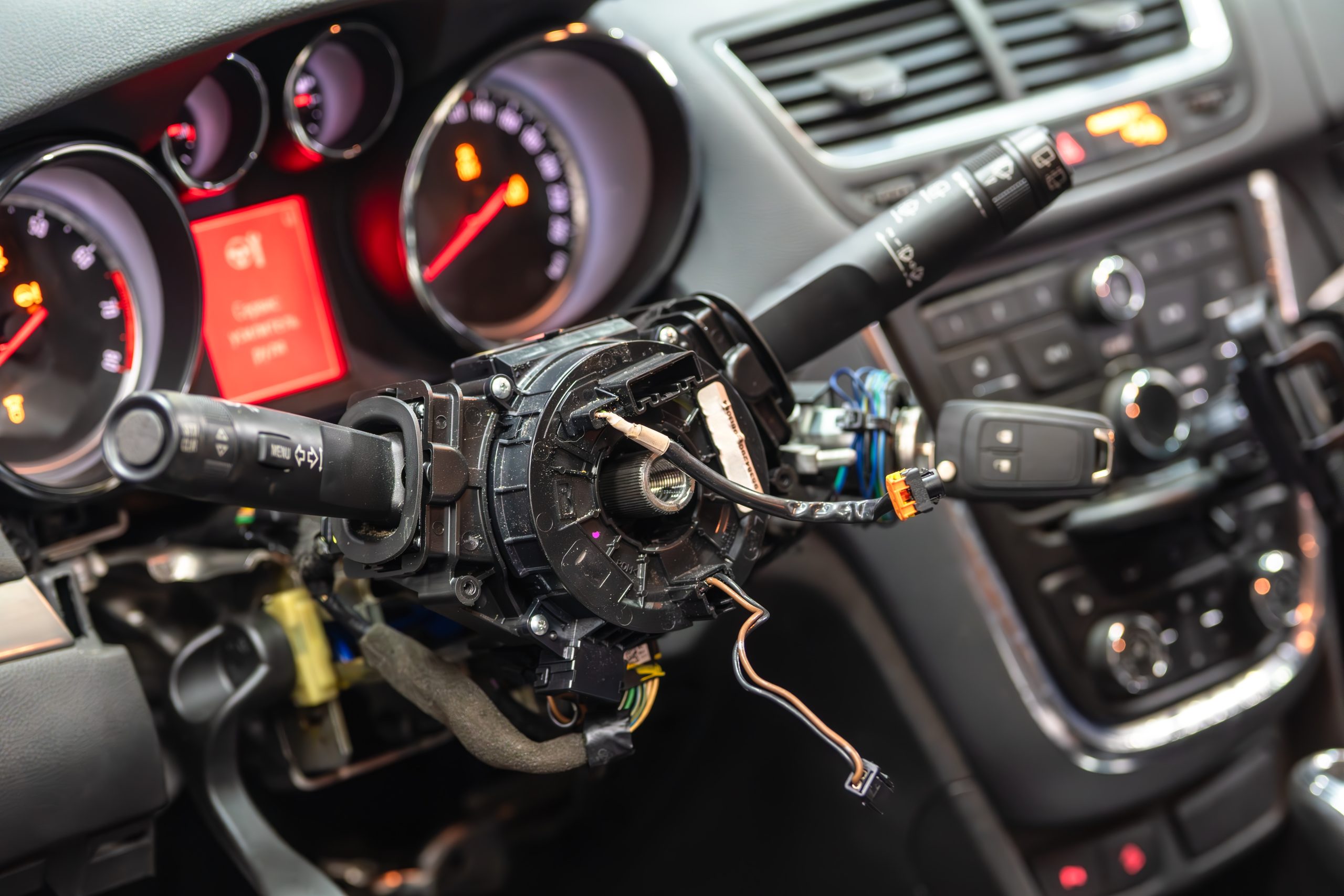
- Worn steering and suspension parts are the serious end. Tie rod ends, ball joints and wheel bearings all hold your wheels steady as you drive. As they wear, the wheel is free to move around more than it should, and that movement shows up as vibration. A worn wheel bearing often starts as a hum or drone that changes pitch when you turn, then builds into a shake. This is the group you don’t leave sitting. A failing bearing or a worn tie rod changes how the car steers and stops, not just how it feels in your hands.
How worried should you be?
Some brake symptoms are less urgent, but they still should not be ignored. A light squeal, mild vibration or handbrake adjustment issue may be suitable for a booked brake inspection if the car is still stopping normally and there are no warning lights.
The key is whether the braking feel has changed. If the car still stops straight, the pedal feels normal and the noise is light, you may be able to book the car in rather than stop immediately. If the pedal feel has changed, the car pulls hard, or the noise becomes grinding, the situation moves from routine inspection to urgent brake repair.
It is also worth paying attention to patterns. A noise that only appears when reversing out of the driveway may have a different cause from a vibration that appears every time you brake from freeway speed. The more specific you can be, the easier it is for the mechanic to start in the right place.
What causes a soft brake pedal?
It depends which cause you’ve got, and they’re not all equal.
A balance issue is minor. It can wait a week or two, though your tyres wear faster the longer you leave it out of balance. A bent rim or a damaged tyre should be looked at soon, because either one can leak air or fail on you. Worn steering and suspension parts are the ones to act on quickly. They change how the car handles and how it pulls up, and that’s a safety issue, not a comfort one.
A wheel balance can wait a week. A failing wheel bearing at 100 km/h can’t.
There’s a simple way to help your mechanic find it fast. Note exactly when you feel the shake. Does it start at a set speed and then ease off? Does it get worse the faster you go? Does it change when you turn or when you brake? Those three answers point straight at the likely cause and save you paying for guesswork.
What to do if your wheel shakes above 90
If your steering wheel buzzes above 90 on the Tullamarine Freeway and doesn’t settle down, the cheapest first move is a wheel balance and a quick once-over before the tyres or bearings wear any further. For wheel balancing in Tullamarine, VP Autocare can balance your wheels, check the alignment and look over the steering and suspension in the one visit. That way you know whether it’s a ten-minute fix or something worth sorting now. Book it in before your next freeway run.


