

Why your car’s air conditioning isn’t cooling
You loaded the family in at 7am for the airport run. Tullamarine Freeway, 32 degrees forecast, and the aircon is blowing tepid air at best. It worked fine last summer. So what’s changed?
In most cases, the answer is refrigerant. The gas that makes your AC cold slowly escapes over time, and once the system runs low, cooling drops off fast. A regas usually puts that right inside an hour. But if a regas doesn’t hold, something else is going on, and topping it up again without finding the fault just costs you another $200 in a few months.
This guide walks through every component that can stop your car’s air conditioning from cooling, what each failure feels like from behind the wheel, and what the repair typically costs in 2026.
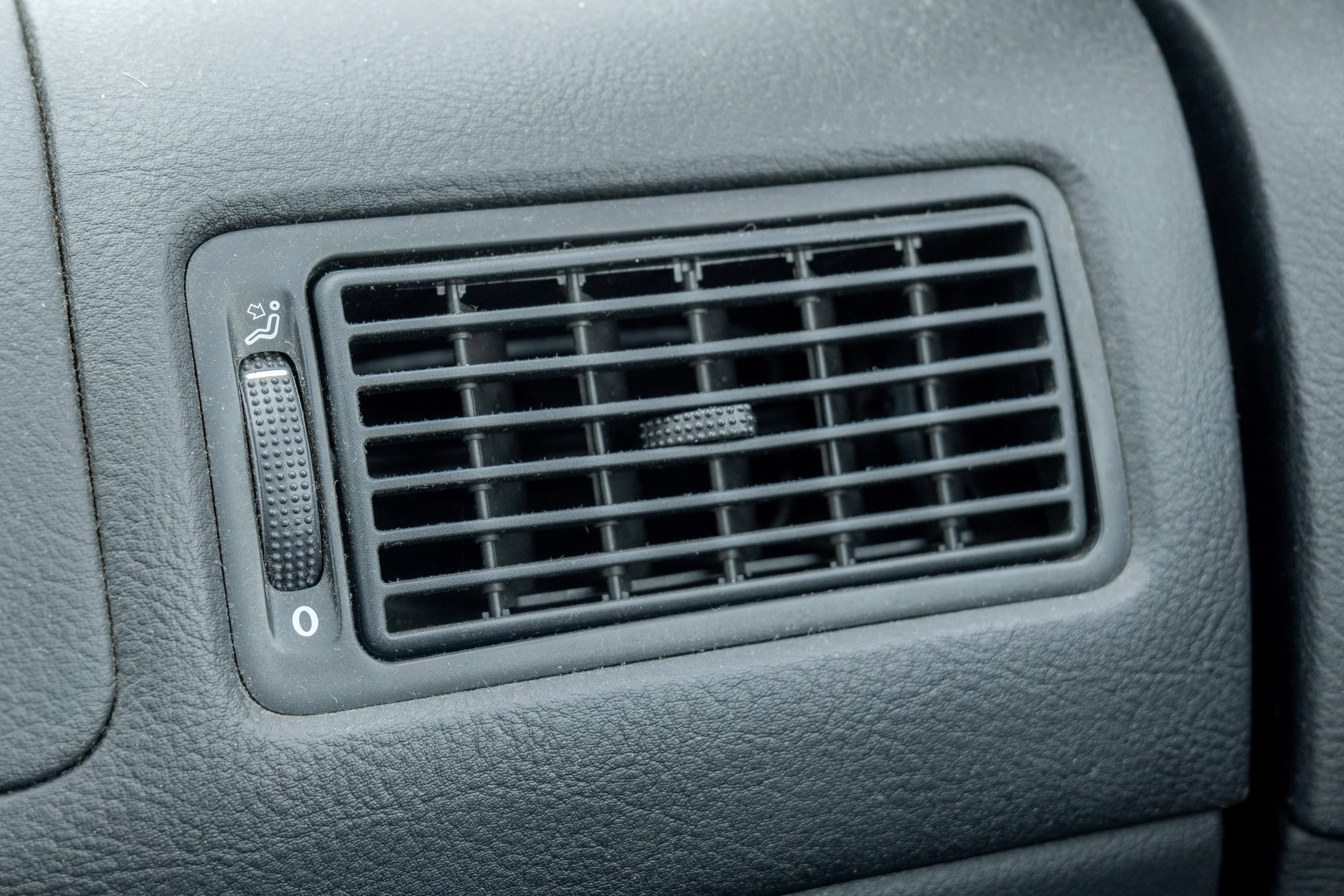
What’s going wrong: a quick reference
| Component | Common symptom | Typical repair | Cost range |
|---|---|---|---|
| Refrigerant low | Weak cooling across the board | Regas | $150–$300 (R134a) / $350–$550 (R1234yf) |
| Compressor | Clutch not engaging, grinding, no cold air | Compressor replacement | $800–$1,500 |
| Condenser | Cooling drops at highway speed, visible front damage | Condenser replacement | $450–$1,000 |
| Evaporator | Slow cooling, sweet smell, refrigerant disappears | Evaporator replacement | $500–$2,000 |
| Expansion valve | Intermittent cooling, vents freeze then thaw | Valve replacement | $200–$500 fitted |
| Cabin filter | Weak airflow, slow cooling | Filter replacement | $50–$120 |
| Electrical | AC won’t switch on, clutch won’t engage | Diagnosis dependent | $100–$600 |
Costs vary by vehicle, parts brand, and labour rate. Treat the figures above as general Australian market guidance, not a quote.
Low refrigerant: the most common cause
Modern AC systems lose a small amount of refrigerant every year through seals, hoses, and connections. It’s normal. Most manufacturers expect a regas every two to three years.
If the air through the vents is cool but not cold, or the cabin takes longer than it used to before it chills, low refrigerant is the most likely culprit. A regas removes any old gas, vacuum-tests the system for leaks, and refills it to the correct level.
Refrigerant type matters. Cars built before about 2015 typically use R134a, which is cheaper. Newer vehicles use R1234yf, which is more environmentally friendly but considerably more expensive per kilogram. Your mechanic will know which one your car takes.
If your AC was regassed within the last 18 months and is already weak again, you have a leak. A top-up is a short-term fix and doesn’t solve the underlying problem. Leak detection should come first.
Compressor failure: when nothing cools at all
The compressor is the pump that pushes refrigerant around the system. If it fails, you get no cold air at all, and you’ll usually hear about it before you feel it. Common signs include:
- A grinding or clunking noise when the AC switches on
- A loud belt squeal under the bonnet
- The AC clutch refusing to engage (the engine note doesn’t change when you flick the AC on)
- A burning smell from the engine bay during AC use
Compressors don’t fail often. Most last the lifetime of the vehicle, with failures more common after about 150,000 km. When they do go, the repair is significant: parts and labour run from $800 to $1,500, and your mechanic will usually recommend replacing the receiver drier and flushing the condenser at the same time. Skipping those steps risks contaminating the new compressor with debris from the old one.
Condenser problems: damage from the front
The condenser sits at the front of your engine bay, in the path of road debris. A stone through the radiator grille, a low-speed front-end knock, or years of dust and salt build-up can damage it. Symptoms tend to be:
- Cooling fine at idle but dropping off at highway speed
- Visible damage when you look through the front grille
- Refrigerant residue around the radiator area
A condenser replacement runs from $450 to $1,000 for most vehicles. Prestige and European cars often sit at the upper end.
Evaporator: the expensive one
The evaporator lives behind the dashboard. It’s where the refrigerant absorbs heat from the cabin air. Because of its location, replacing it is labour-intensive: a lot of dash has to come out. A sweet, chemical smell from the vents, slow cooling, or refrigerant that disappears with no visible external leak all point at the evaporator.
Evaporator replacements range from $500 to $2,000 depending on how buried the unit is in your particular vehicle. On some cars it’s a half-day job; on others, it’s a full day plus.
Expansion valve or orifice tube
The expansion valve regulates how much refrigerant enters the evaporator. When it sticks or partially blocks, you get:
- Intermittent cooling
- Vents that frost up then thaw out
- Cold air that comes and goes for no obvious reason
Replacement is usually $200 to $500 fitted, depending on how accessible the valve is on your car.
Cabin filter: the cheap fix worth checking first
This one isn’t a refrigerant problem at all, but it’s worth ruling out before spending money on diagnostics. A blocked cabin filter chokes airflow through the system. The air coming through your vents might be cold, but there’s not much of it. You’ll often notice weak airflow combined with a musty smell.
A cabin filter sits behind the glovebox on most cars. Replacement is $50 to $120 and takes about 15 minutes. Plenty of drivers get all the way to a full AC diagnosis before someone thinks to check it.
Electrical and control faults
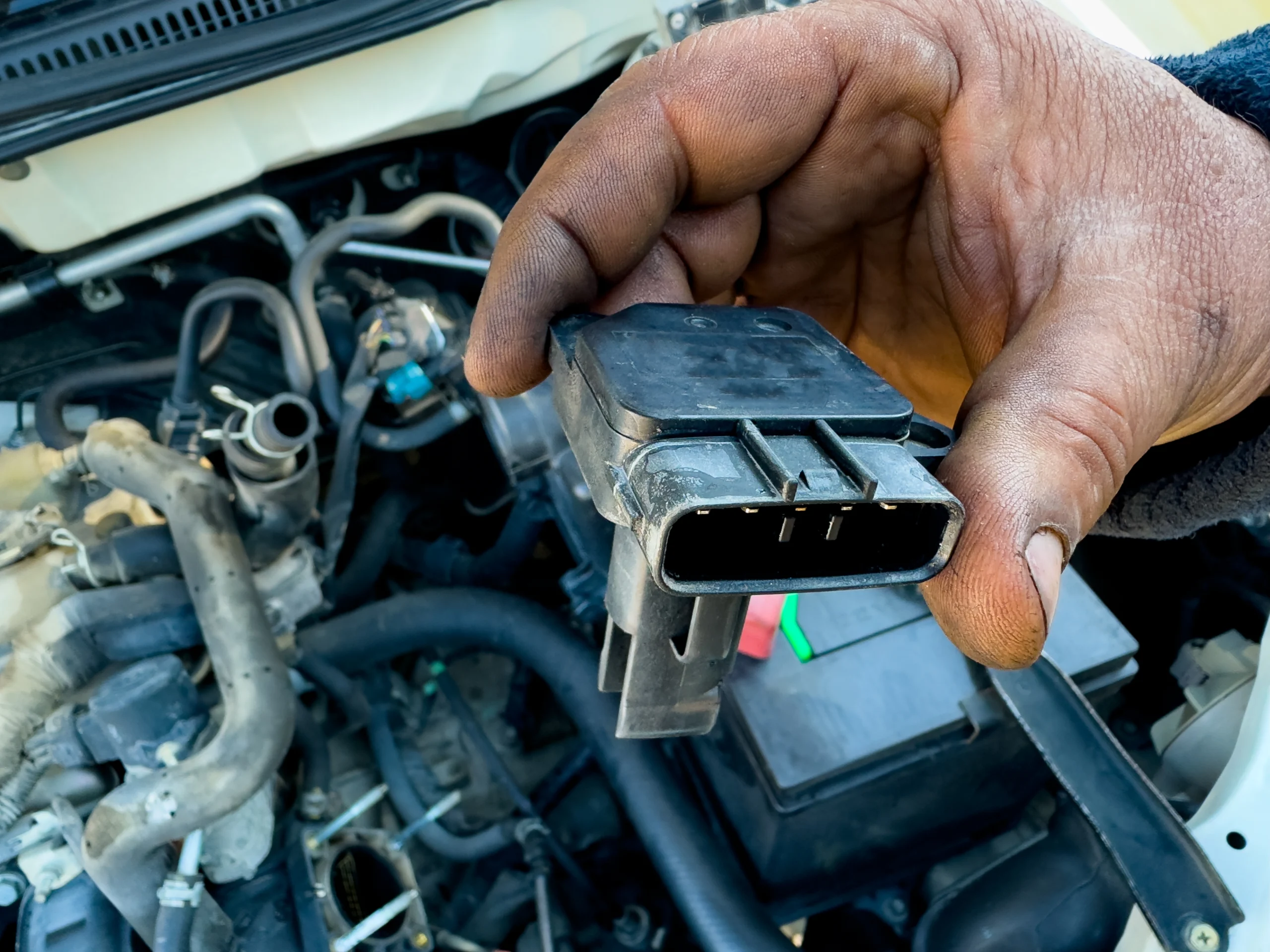
AC systems are increasingly electronic. Pressure switches, relays, climate control modules, and the AC clutch wiring can all fail. Symptoms vary widely:
- AC won’t switch on at all
- Clutch won’t engage despite the system having full refrigerant
- Climate control sets but doesn’t respond
- Random shutdowns mid-drive
Diagnosis is where the cost lives. The actual repair might be a $50 relay, but tracing the fault can take an hour or two of workshop time at $100 to $200 an hour.
When to regas, when to diagnose first
If your AC was cooling well last summer and has gradually weakened over a couple of years, a regas is the right starting point. The system has likely lost gas through normal seal wear, and topping it up will restore cooling.
If your AC suddenly stopped working, or weakened within months of a previous regas, don’t just regas it again. There’s a leak or a component failure somewhere, and adding more refrigerant on top of an existing fault wastes money and gas. A proper diagnosis identifies the cause, and the regas comes after the fix.
Frequently asked questions
How often should I get my car's AC regassed?
Most manufacturers recommend every two to three years. If your car is older than five years and has never had an AC service, it’s likely overdue.
Can I drive with broken air conditioning?
Mechanically, yes. Safely, mostly. The catch is windscreen demisting. Your car’s AC dries the air on the demist setting, and with the AC out of action, foggy windscreens take longer to clear. That matters on cold or wet mornings around the airport corridor, when low visibility is already a problem.
Does running the aircon use more fuel?
Yes, slightly. The compressor draws power from the engine when it’s running, which costs fuel. On most modern systems the difference is small (typically 5 to 10 per cent extra), but on long highway runs with the AC at maximum, you’ll notice it at the bowser.
Why does my aircon work sometimes but not others?
Intermittent cooling usually points at a sticking expansion valve, an electrical fault, or refrigerant that’s sitting borderline low. The system might work fine when gas pressure happens to land in the right range, then drop off when temperatures change. Intermittent faults are harder to diagnose than constant ones, so book the car in on a day when the fault is showing.
Is it worth fixing aircon on an older car?
Depends on the repair. A regas or cabin filter on a 15-year-old car still makes sense. A $2,000 evaporator on a vehicle worth $4,000 doesn’t. Get a diagnosis first, then make the call with the numbers in front of you.
Book an AC inspection at VP Autocare
If your aircon is weak, intermittent, or has stopped cooling altogether, the right next step isn’t a regas. It’s a diagnosis. We check refrigerant level, vacuum-test for leaks, inspect the condenser and compressor, and tell you what’s wrong with the system before recommending the fix.
From the workshop in Tullamarine, we look after drivers across Westmeadows, Gladstone Park, Greenvale, Attwood, and the broader airport corridor. Book in before the next 35-degree day arrives.


