

How Often Should a Timing Belt Be Replaced?
Most drivers never think about their timing belt until something goes wrong. Yet this single component controls the precise timing of the engine’s valves and pistons, and if it fails, the results can be catastrophic. Replacing it at the right time is one of the most important preventative maintenance tasks you can do for your car.
At VP Autocare Tullamarine, we often see vehicles arrive with worn or overdue timing belts. In many cases, the damage could have been avoided with a routine replacement based on time, not just kilometres.
What the timing belt does
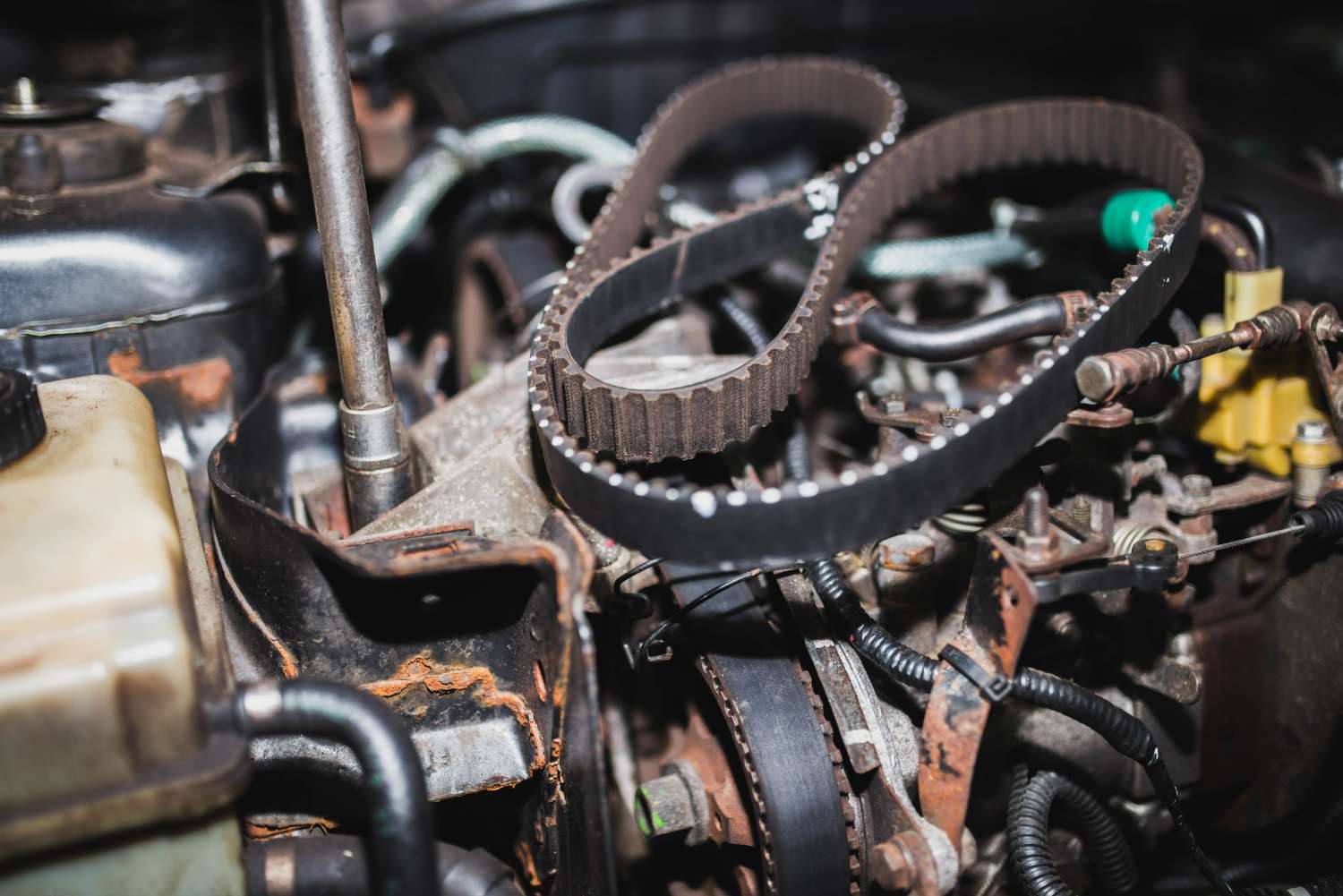
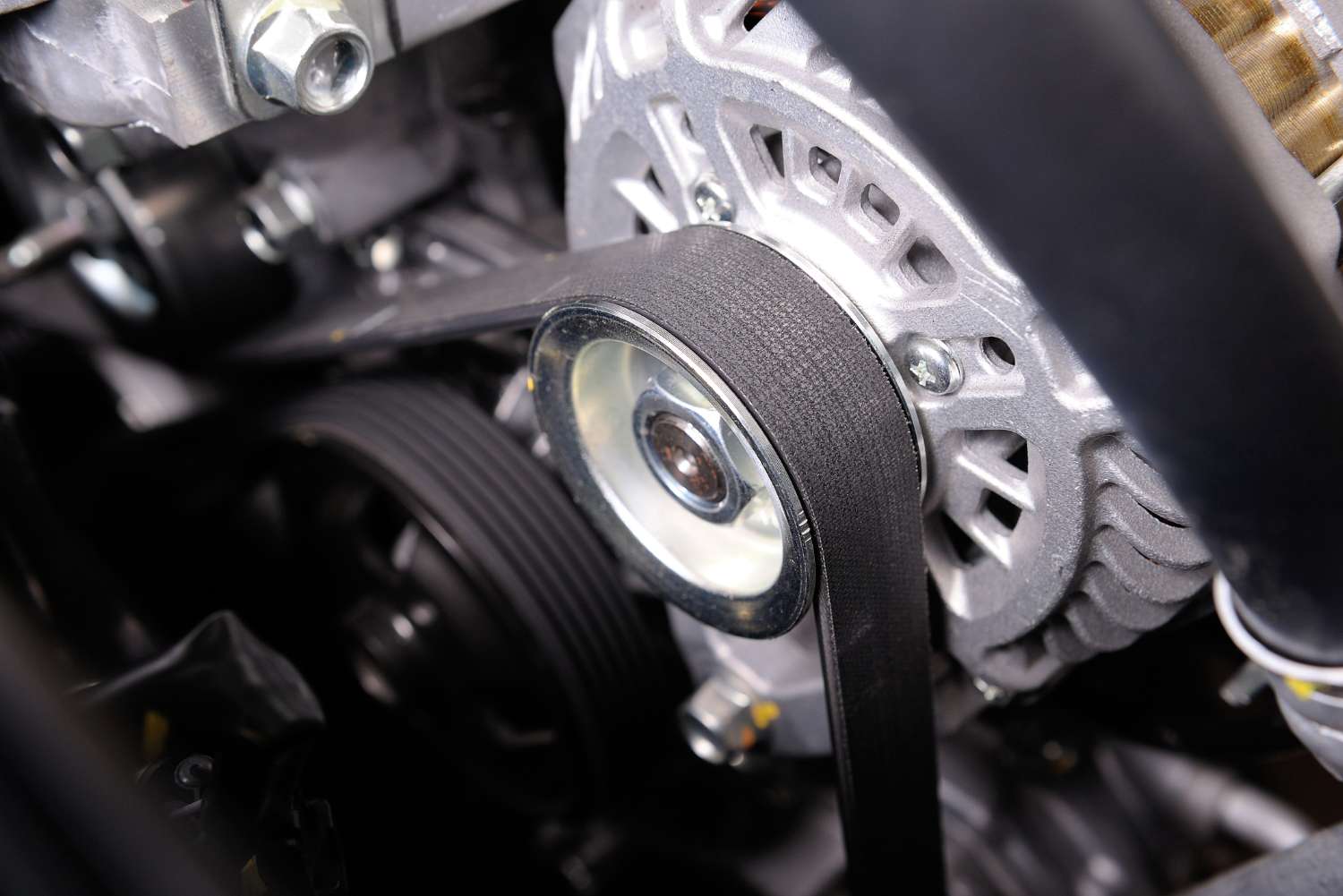
The timing belt synchronises the rotation of the crankshaft and camshaft, ensuring valves open and close at the right moment. It’s made of reinforced rubber designed to withstand heat, tension, and vibration. Over time, that material ages, hardens, and can begin to crack or lose teeth.
When the belt slips or breaks, the engine’s internal components collide. In most modern engines, that means bent valves or even piston damage — repairs that can cost several thousand dollars.
How often should it be replaced?
Replacement intervals vary depending on the manufacturer, but most fall between 90,000 km and 150,000 km, or roughly five to seven years, whichever comes first. Time is just as important as distance: rubber deteriorates naturally, even in vehicles that are rarely driven.
If you bought a used car and aren’t sure when the timing belt was last replaced, it’s safest to assume it’s due. A mechanic can inspect the condition and check service history to confirm.
Typical Replacement Intervals and Risk Comparison
| Vehicle Age or Mileage | Recommended Action | Risk of Delay |
|---|---|---|
| Under 5 years / under 90,000 km | Inspect for wear or cracks | Low |
| 5–7 years / 100,000–150,000 km | Replace belt and inspect water pump | Moderate |
| Over 7 years / 150,000 km+ | Immediate replacement recommended | High – risk of belt failure |
| Unknown service history | Replace as preventive measure | High |
Why time matters as much as distance
Infrequent driving can accelerate belt aging. Engines that sit for long periods expose belts to moisture, oil vapours, and temperature swings that degrade rubber. Short trips also prevent full warm-up cycles, allowing condensation to remain in the belt housing.
A car with only 60,000 km but 10 years of age can have a timing belt as brittle as one driven twice as far.
Why replace the water pump too
In many engines, the timing belt drives the water pump. When one fails, it often affects the other. Replacing both together avoids paying twice for the same labour later. At VP Autocare, timing belt replacement always includes inspection of the water pump, tensioners, and pulleys to ensure the new belt operates on reliable components.
Warning signs before failure
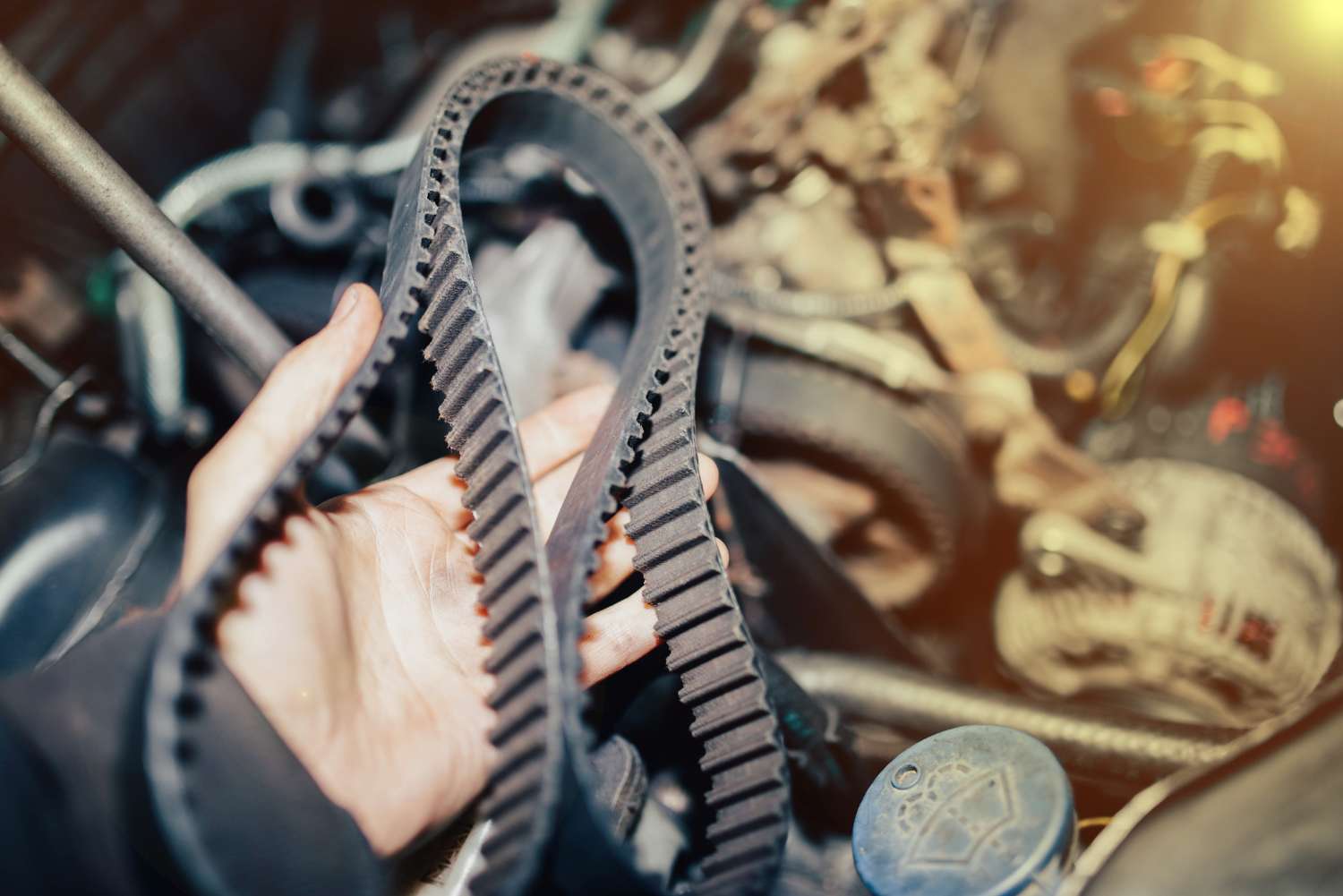
While most belts fail without much warning, some show early signs of wear:
Professional replacement in Tullamarine
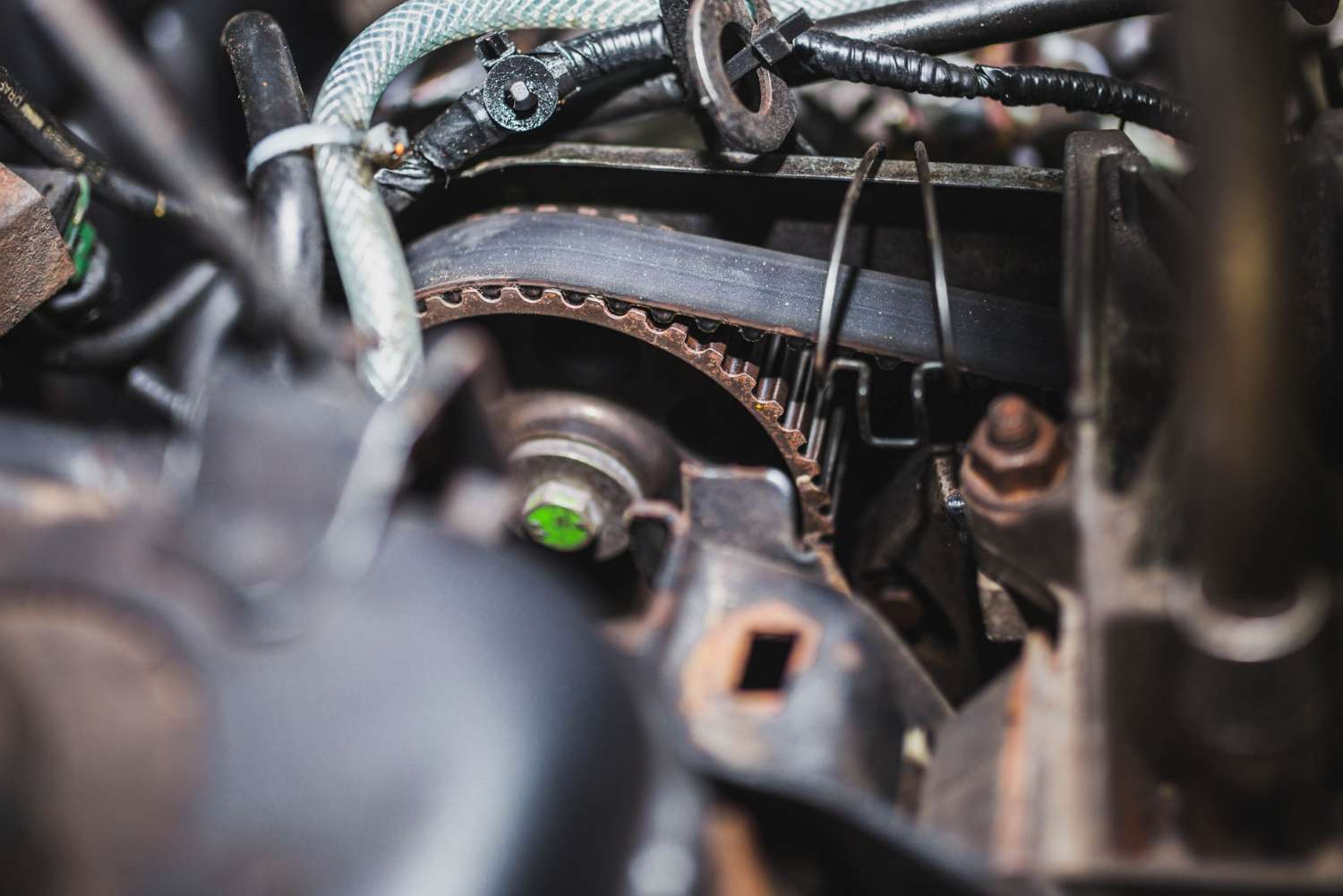
Timing belt service is not a quick job. It requires specialised tools to align camshafts and crankshafts precisely. At VP Autocare, our mechanics follow manufacturer specifications for torque settings, belt tension, and timing marks. Every job is verified with diagnostic checks before the engine is restarted.
We use quality OEM or equivalent parts to ensure long-term reliability. After replacement, we also reset service intervals and provide maintenance reminders for future inspections.
Save costs through preventative care
A scheduled timing belt replacement typically costs a fraction of an engine rebuild. Preventing failure is the difference between routine maintenance and a major mechanical bill.
Drivers around Tullamarine who aren’t sure when their belt was last replaced can book a quick inspection with our team. It’s a simple service that protects your vehicle and your peace of mind.
Book a timing belt inspection with VP Autocare today.


