

Essential Car Safety Features Explained
But have you ever really thought about all those clever bits and pieces in your vehicle that are designed to keep you and your loved ones safe?
Modern cars are packed with incredible safety features, and understanding what they do can not only give you peace of mind but also highlight the importance of regular checks.

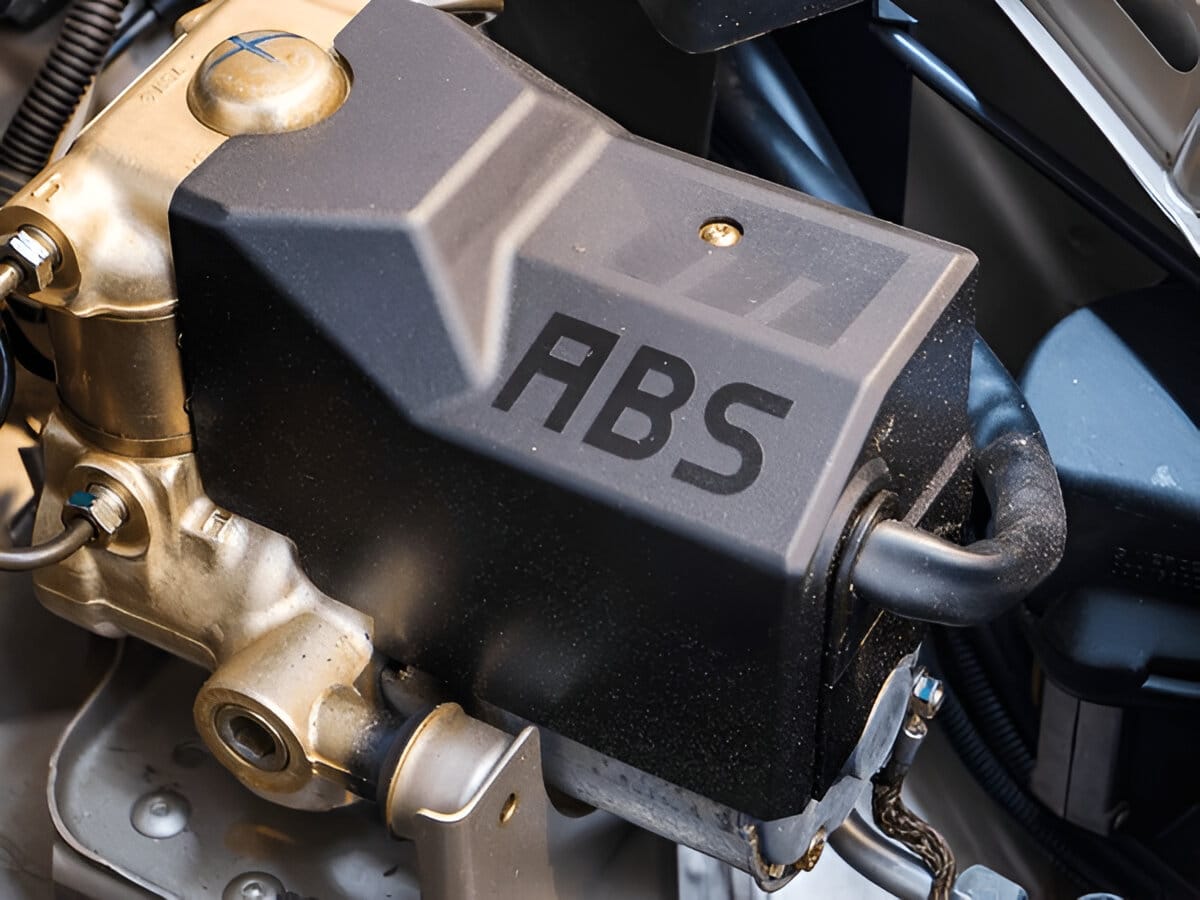
The ABCs of Staying Safe: Active Safety Systems
Think of active safety features as your car’s way of trying to prevent accidents from happening in the first place. Things like Anti-lock Braking Systems (ABS) are absolute lifesavers. They prevent your wheels from locking up during hard braking, allowing you to maintain steering control.
Electronic Stability Control (ESC) is another unsung hero. It helps to keep your car stable and prevents skids, especially on slippery surfaces or during sudden manoeuvres.
Traction Control Systems (TCS) work to prevent wheel spin when accelerating, giving you better grip. Understanding these active systems highlights why a thorough car safety inspection Melbourne is so crucial – you want to make sure these features are working perfectly.
Your Protective Bubble: Passive Safety Features
If, despite all the preventative measures, an accident does occur, that’s where passive safety features come into play. These are designed to minimise injury in the event of a collision.
Airbags are probably the most well-known passive safety feature, and they inflate quickly to protect occupants in a crash. Seatbelts are another fundamental element, keeping you securely in your seat.
The very structure of your car is also a key passive safety feature, with crumple zones designed to absorb impact energy and protect the passenger cabin. Regular checks, like a vehicle safety check, ensure that these vital components are in good working order and ready to perform if they’re ever needed.

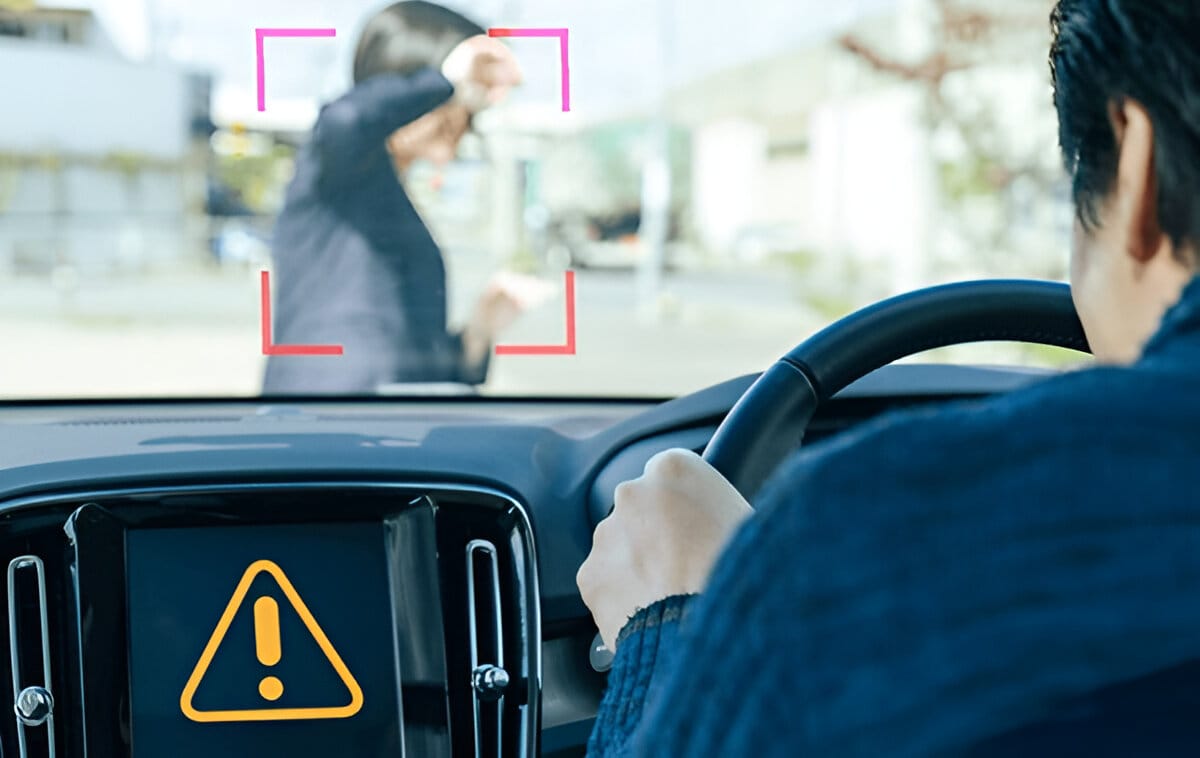
Beyond the Basics: Advanced Safety Technologies
Car manufacturers are constantly innovating, and that means more and more advanced safety technologies are becoming standard.
Features like Lane Departure Warning systems can alert you if you’re unintentionally drifting out of your lane. Blind Spot Monitoring helps you to see vehicles that might be lurking in your blind spots. Automatic Emergency Braking (AEB) can even detect potential collisions and automatically apply the brakes if you don’t react in time.
These technologies act as an extra set of eyes and can significantly enhance your safety on the road.
Keeping Your Safety Net Strong
Just like any other part of your car, safety features need to be in good working order to do their job effectively. Regular maintenance and checks are absolutely essential.
This is where professional services come in. A comprehensive car safety inspection in Tullamarine can identify any potential issues with your active and passive safety systems. Similarly, a detailed vehicle safety check ensures that everything from your brakes and tyres to your airbags and seatbelts are functioning as they should.
Don’t wait until something goes wrong – proactive maintenance is key to staying safe on the road.
At VP Autocare, we’re committed to keeping you safe on Melbourne’s roads. Our expert technicians ensure all your essential safety features are functioning correctly.
Give yourself the gift of confidence and peace of mind.
Contact VP Autocare today to book your safety check – it’s one of the most important things you can do for yourself and your loved ones.
Frequently Asked Questions (FAQs)
What is the difference between active and passive safety features?
Active features try to stop the crash happening. Anti-lock brakes, electronic stability control and autonomous emergency braking all step in while the car is still moving. Passive features reduce the injury once a crash cannot be avoided: seatbelts, pretensioners, airbags and the car’s crumple zones.
Can I keep driving with the airbag warning light on?
Treat it as no. The roadworthiness standard says that where seatbelt pretensioners are fitted they must be in working order, and it names an SRS warning light, locked seatbelt retractors and retracted buckles as unacceptable. Separately, regulation 295 of the Road Safety (Vehicles) Regulations 2021 makes it an offence to use a vehicle on a highway that is not in a safe and roadworthy condition.
Are airbags checked in a roadworthy inspection?
The airbags themselves are not tested. The inspected item is the SRS warning light, along with the seatbelts, buckles, retractors and pretensioners. So a car can hold a certificate without anyone having confirmed that the airbags would fire.
Can a frayed seatbelt or a sticking buckle be repaired?
No. The roadworthiness standard does not permit repairs or modifications of any kind to webbing, buckles, retractors or other seatbelt parts, so the part is replaced rather than mended. That covers a belt that has been cut, a buckle that will not latch, and a retractor that no longer pulls the belt back in.


