

The most common car repairs and what they cost
You’ve just been quoted $900 for a repair you weren’t expecting, and you have no idea whether that’s reasonable. Or maybe you’re planning ahead, trying to budget for the services your car will need over the next year or two. Either way, knowing what common repairs typically cost gives you a baseline – something to measure a quote against before you say yes.
These are the repairs Tullamarine mechanics see most often, with the cost ranges you’d expect to pay across the Australian market.
Prices below are general Australian market figures and will vary depending on your vehicle, the parts used, and the workshop. They’re a guide, not a guarantee.
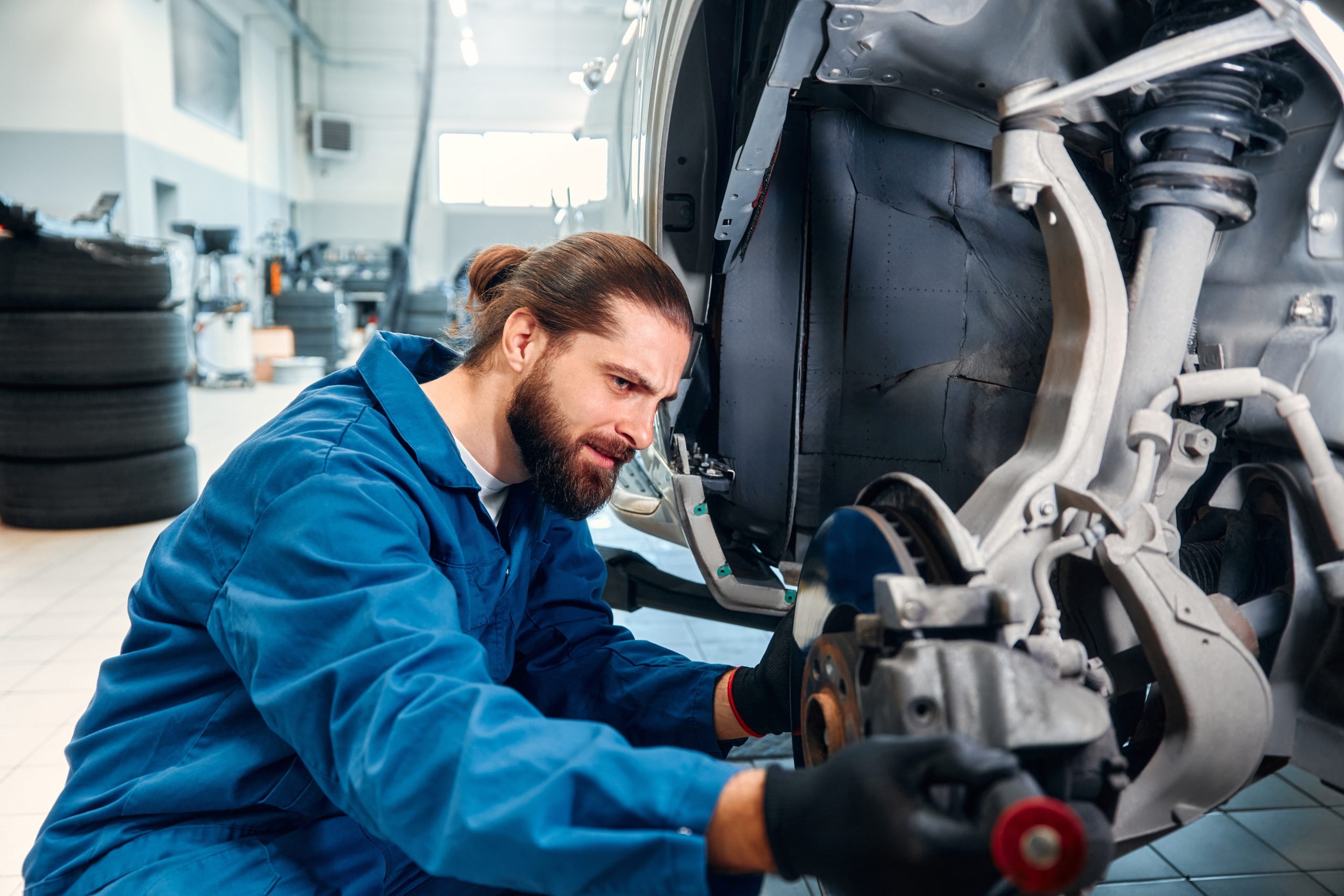
| Repair | Typical cost | What pushes the price up |
|---|---|---|
| Brake pad replacement | $150–$350 per axle | Rotor machining or replacement, European pad compounds |
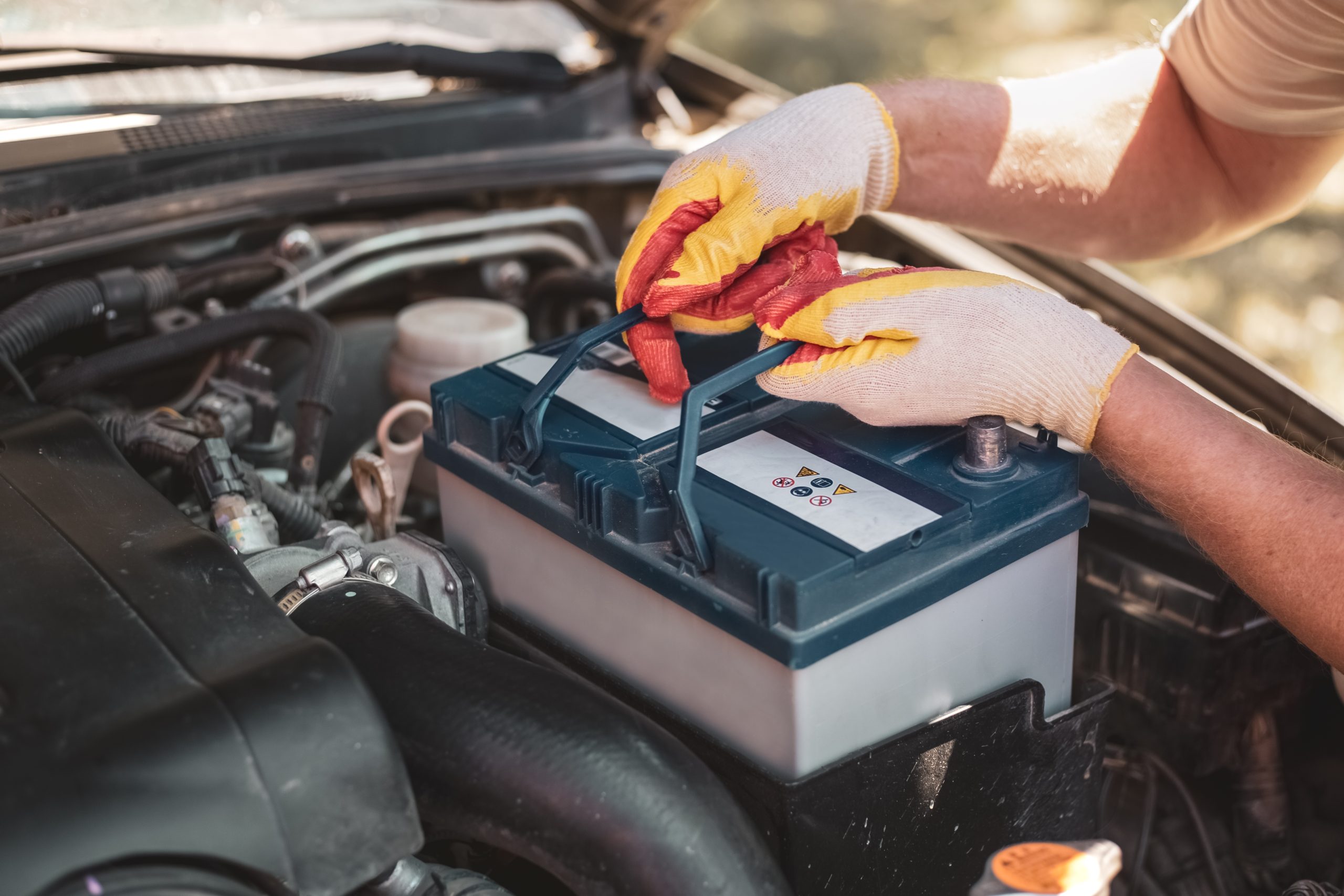
| Battery replacement | $150–$350 fitted | AGM batteries for stop-start vehicles, hard-to-reach locations |
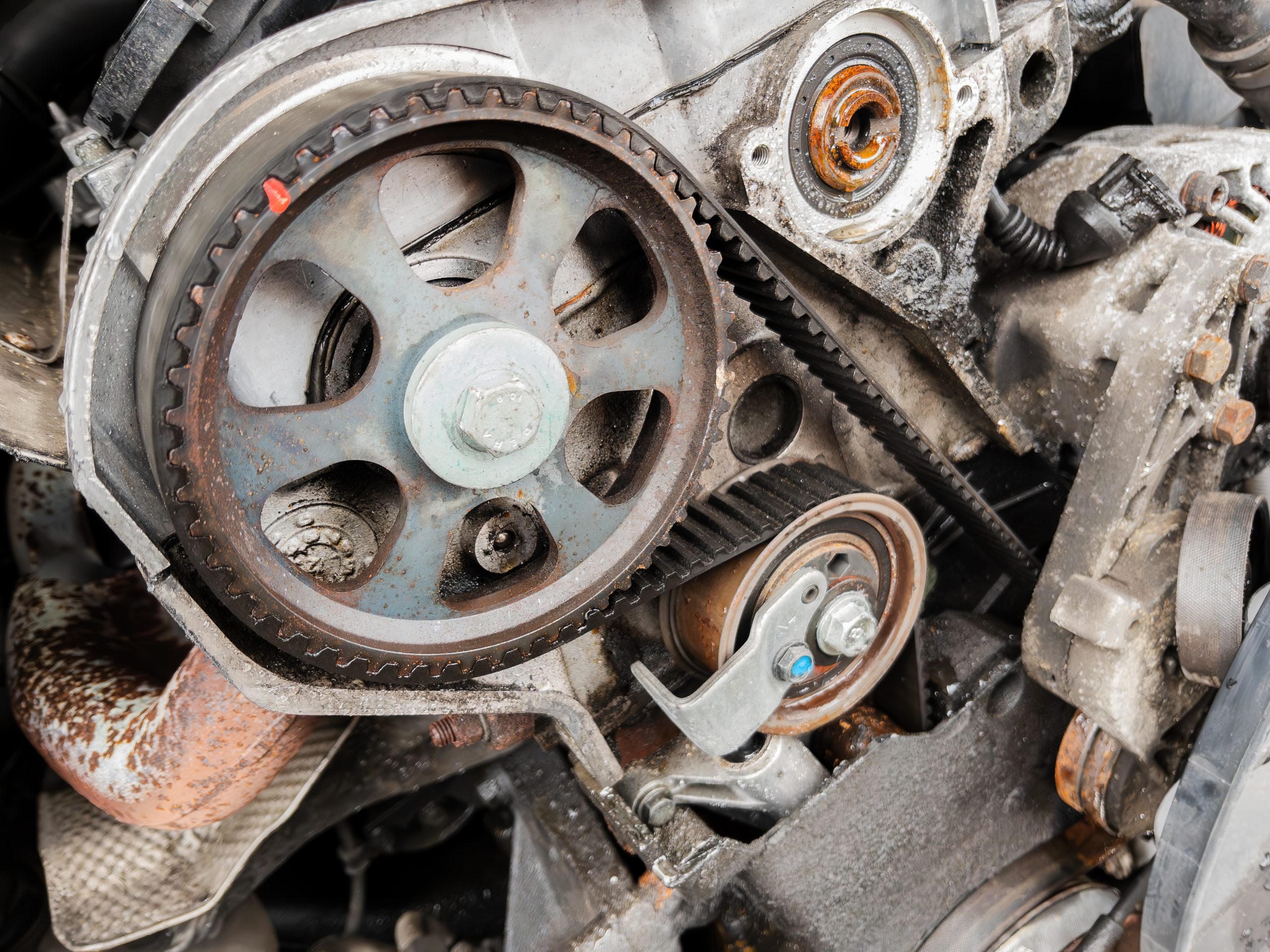
| Timing belt replacement | $500–$1,500 | European engines, water pump done at the same time |
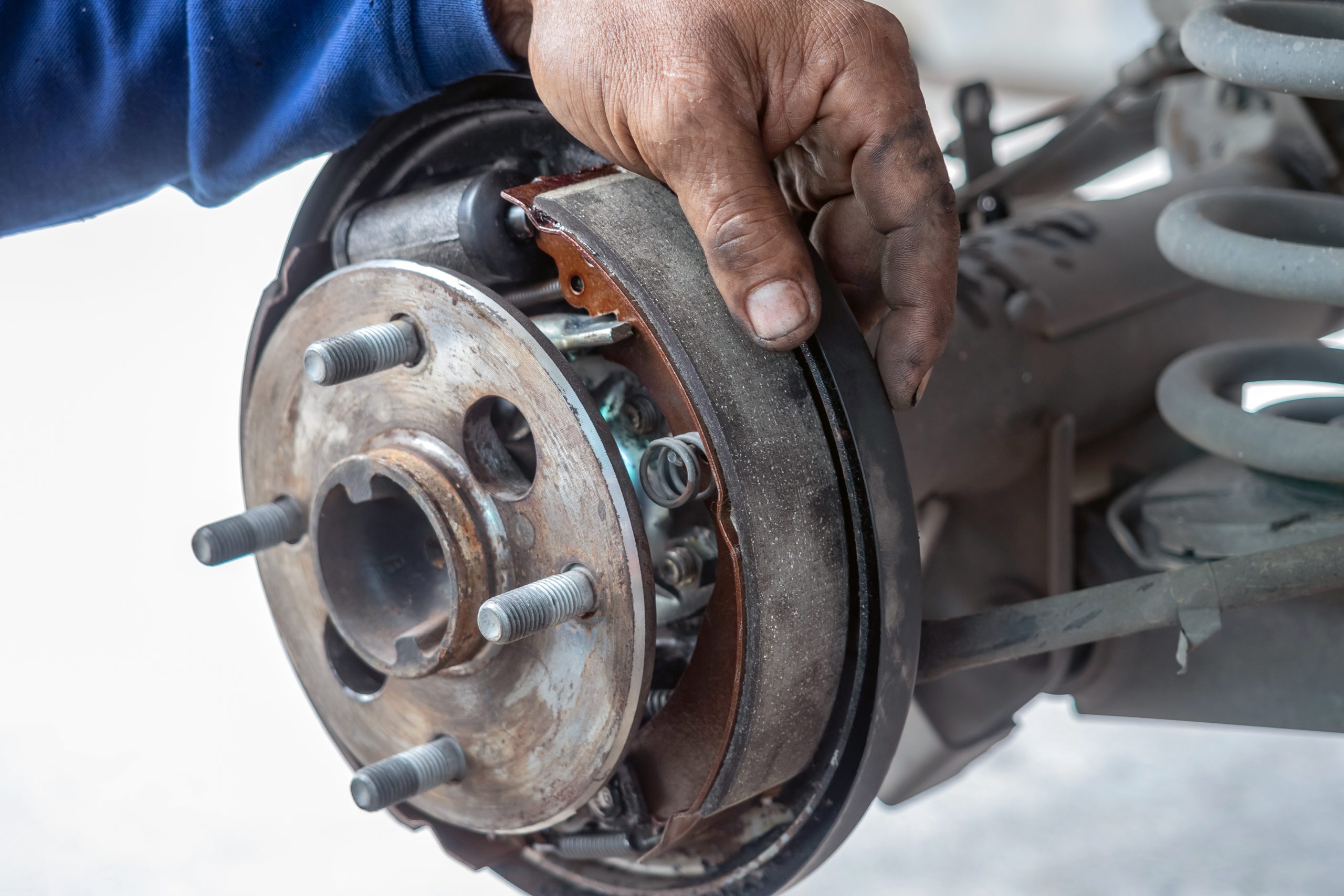
| Clutch replacement | $800–$2,500 | Dual mass flywheel condition, 4WD drivetrain complexity |
| Aircon regas | $120–$300 | R1234yf refrigerant; component repair $500–$2,000 |
| Suspension (shocks) | $200–$700 per pair | Electronic/adaptive suspension, full overhaul $1,500–$4,000 |
| Spark plugs | $100–$300 | V6/V8 engines, plugs buried under intake manifolds |
How much does a brake pad replacement cost?
Brake pads wear down gradually. You’ll usually hear a metallic squeal or grinding when they’re due – that’s the wear indicator doing its job.
What you’ll pay: $150–$350 for a standard pad replacement on one axle (front or rear). If the rotors need machining or replacing at the same time, expect $300–$600.
What pushes the price up:
- European vehicles and performance cars use more expensive pad compounds
- Rotors worn below minimum thickness can’t be machined and need replacing
- Rear brakes with integrated electronic parking brake mechanisms add labour time
How much does a car battery replacement cost?
Batteries don’t give much warning. One morning the engine turns over slowly, and the next it doesn’t turn at all. Melbourne’s summer heat is harder on batteries than most people realise – high temperatures accelerate the chemical degradation inside the cells.
What you’ll pay: $150–$350 fitted, depending on the battery size and type your car needs.
What pushes the price up:
- Stop-start vehicles and European cars often require AGM (absorbent glass mat) batteries, which cost more than standard lead-acid units
- Cars with the battery mounted in the boot or under the rear seat take longer to access
- Some newer vehicles need the battery management system recoded after replacement
If you’re doing a lot of short trips around Tullamarine, Airport West, or Keilor Park – engine on, engine off, engine on again – your battery works harder than one in a car that does highway kilometres. That driving pattern shortens battery life.
How much does a timing belt replacement cost?
The timing belt keeps your engine’s valves and pistons synchronised. If it snaps, the valves and pistons can collide – and that turns a $500 job into a $3,000+ engine rebuild.
What you’ll pay: $500–$1,500 for the belt, tensioner, and idler pulleys. Most mechanics recommend replacing the water pump at the same time (it sits behind the belt and shares the same labour), which adds $200–$400 but saves you paying for the same labour twice later.
What pushes the price up:
- European engines are typically more labour-intensive
- Adding the water pump (recommended, not always mandatory)
- Vehicles with interference engines have higher stakes if the belt fails
Your manufacturer’s logbook will list a specific interval – usually between 80,000 and 120,000 km, or every 5–7 years, whichever comes first. Time matters as much as distance. Rubber deteriorates whether the car moves or not.
How much does a clutch replacement cost?
A clutch wears gradually, but you’ll notice it: the bite point creeps higher, gears start slipping under load, or you catch a burning smell in heavy traffic on the Tullamarine Freeway.
What you’ll pay: $800–$2,500 for a full clutch kit replacement (disc, pressure plate, release bearing). The range is wide because the job varies enormously between vehicles.
What pushes the price up:
- Flywheel condition – the biggest variable. If the dual mass flywheel is worn (common in modern diesels and European cars), replacing it alongside the clutch can add $400–$1,500
- 4WDs and SUVs – the drivetrain is more complex and labour-intensive to disassemble
- Stop-start driving – rideshare and shuttle drivers working the airport corridor tend to wear clutches faster. The Western Ring Road in peak hour is about the worst conditions a clutch can face
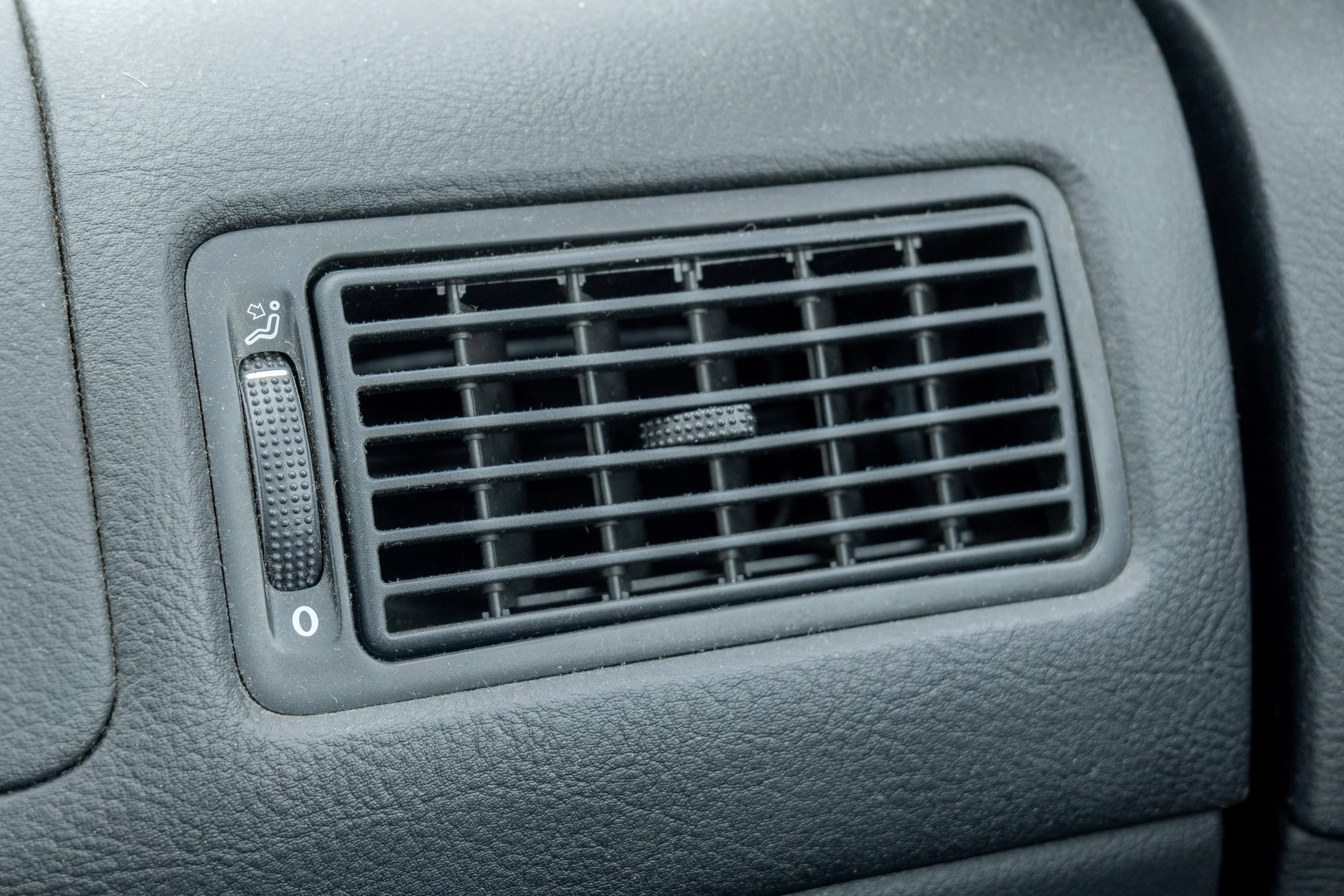
How much does an aircon regas or repair cost?
If your aircon blows cool but not cold, it probably needs a regas. If it blows warm, there may be a leak or a failed component underneath.
What you’ll pay: $120–$300 for a straightforward regas. If there’s a leak to find and fix, or a compressor or evaporator that needs replacing, expect $500–$2,000 depending on the component and accessibility.
What pushes the price up:
- Newer vehicles use R1234yf refrigerant, which costs significantly more than the older R134a
- Compressor replacements sit at the top end because the part itself is expensive and labour-intensive to swap
- Melbourne summers put aircon systems under sustained load – a system that’s been slowly leaking for a year often shows up in January when you need it most
How much does suspension work cost?
Worn suspension shows up as a bouncy ride over speed bumps, a clunking noise over rough roads, or the car pulling to one side. It’s easy to ignore because it happens gradually, but worn shocks increase your braking distance and reduce control.
What you’ll pay: $200–$700 for a pair of shock absorbers. $100–$350 for bushes. A full suspension overhaul (shocks, springs, bushes, and links across both axles) can run $1,500–$4,000.
What pushes the price up:
- Vehicles with adaptive or electronic suspension (common in European cars and some SUVs) use more expensive components
- 4WDs with aftermarket suspension setups may need specialist parts and alignment
- Replacing springs alongside shocks adds parts cost but is often recommended if the originals have sagged
How much does a spark plug replacement cost?
Spark plugs are a routine maintenance item, not an emergency repair. But worn plugs cause rough idling, poor fuel economy, and sluggish acceleration – all things that cost you money in other ways.
What you’ll pay: $100–$300 for a standard set. Most four-cylinder engines use four plugs; V6 and V8 engines use more.
What pushes the price up:
- Some engines bury the spark plugs deep under intake manifolds or coil packs, adding labour time
- Iridium or platinum plugs last longer but cost more per unit
- Plugs that have been left too long can seize in the cylinder head, turning a routine job into a longer one
When should you get a second opinion?
A fair quote doesn’t just list a number – it tells you what’s being replaced, what brand of parts, and roughly how long the work takes. If a quote is missing that detail, ask for it.
Be cautious if a quote is dramatically lower than others you’ve received. Cheap quotes sometimes mean cheap parts, skipped steps, or a job that needs redoing sooner than it should. Equally, a quote that’s well above the ranges here deserves a question – not necessarily suspicion, but a conversation about what’s driving the cost.
Getting two or three quotes for any repair over $500 is standard practice. A good mechanic won’t be offended by that.
Common questions about car repair costs
How much does a standard car service cost?
A minor logbook service typically runs $200–$400, while a major service (which includes more fluid changes, filter replacements, and additional inspections) usually falls between $350–$700. The interval and inclusions depend on your manufacturer’s schedule.
Why do repair costs vary so much between workshops?
Three main factors: labour rates (which vary by location and overheads), parts quality (genuine vs aftermarket), and the complexity of your specific vehicle. A brake pad swap on a Corolla is a different job from the same swap on a BMW.
Is it cheaper to use an independent mechanic instead of a dealer?
Generally, yes. Independent workshops typically charge lower labour rates and can source quality aftermarket parts. Under Australian Consumer Law, using an independent mechanic for servicing and repairs does not void your manufacturer’s warranty.
How do I know if a repair quote is fair?
Compare the quoted price against the ranges in this article. Ask for a breakdown of parts and labour. If the total is within range and the mechanic can explain what’s being done and why, that’s a fair quote.
Should I fix everything at once or spread repairs out?
If multiple items need attention, ask your mechanic which are safety-critical and which can wait. Brakes and suspension are safety items – they come first. Spark plugs and aircon can usually be scheduled for the next visit.


