

Why Does My Car Lose Power When Accelerating?
If your car hesitates, feels flat, or surges when you press the accelerator, the cause is usually found in one of four key systems: air, fuel, spark, or exhaust.
Understanding the symptom pattern can help your mechanic diagnose the issue faster and prevent further damage.

Recognising the Symptoms
Different faults produce different sensations behind the wheel. Paying attention to when and how the car loses power helps pinpoint the problem.
| Symptom | What It Feels Like | Common Cause |
|---|---|---|
| Delayed throttle response | Engine takes a second to react when you press the accelerator | Airflow or throttle sensor fault |
| Misfire under load | Jerking or uneven power delivery, especially on hills | Ignition or fuel delivery issue |
| Limited revs or “flat” acceleration | Engine won’t rev freely or feels restricted | Fuel starvation or blocked exhaust |
| Sudden power loss / limp mode | Vehicle limits speed or revs to protect itself | Sensor failure or boost leak |
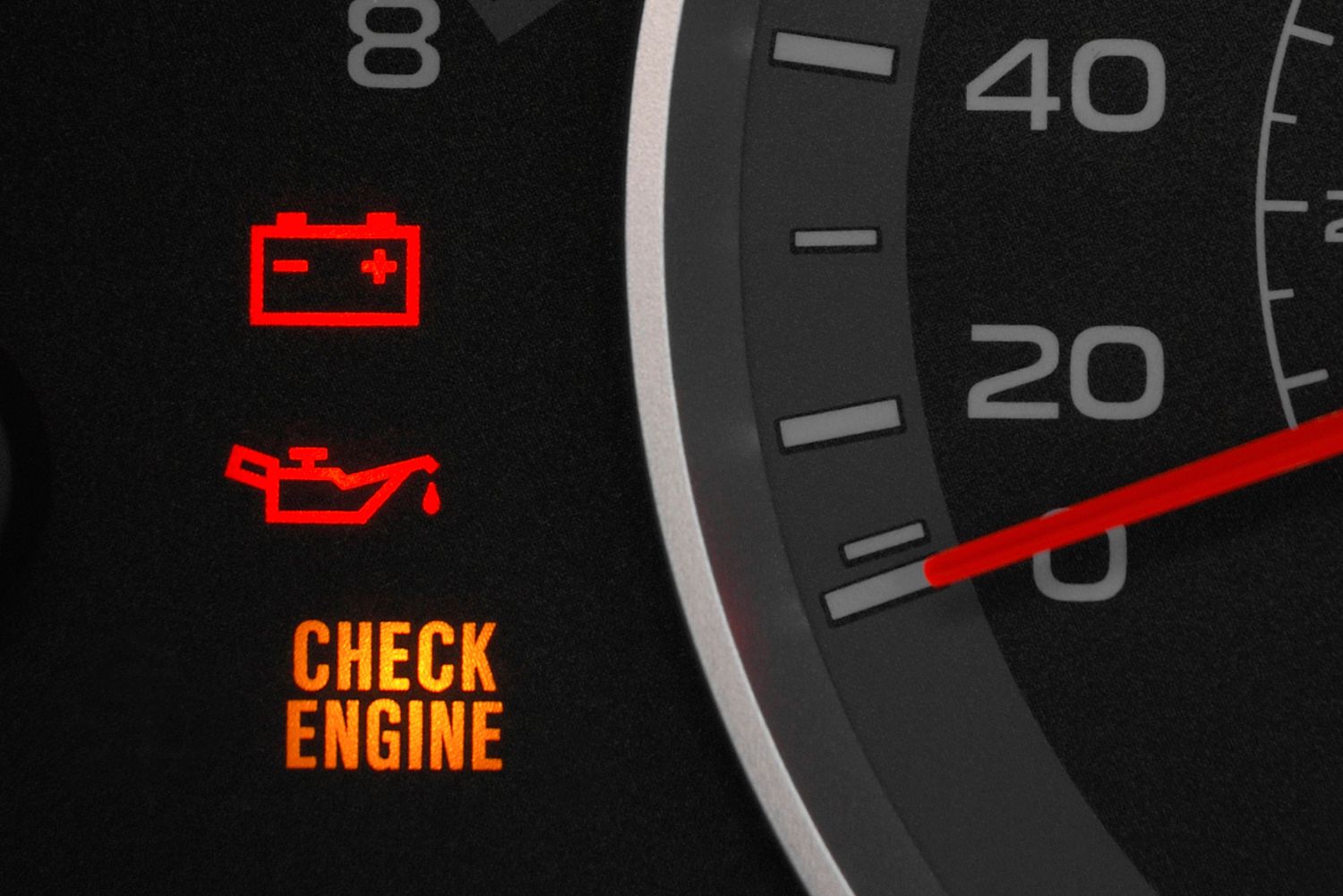
If the engine check light appears or the car enters limp mode, it’s the ECU protecting key components from damage.
Continuing to drive in this condition can worsen the problem.
1. Airflow and Intake Problems
Engines need a precise air-fuel balance. If airflow is restricted or misread, power will drop.
Common causes:
What you can check at home:
2. Fuel System and Pressure Issues
If fuel delivery is interrupted, the engine won’t receive the volume or pressure it needs under load.
Typical culprits:
Mechanics confirm fuel issues by testing pressure at the rail and volume output. VP Auto Care performs both static and dynamic fuel pressure tests during diagnosis.
3. Ignition and Spark Problems
Poor spark leads to incomplete combustion, which robs power and increases fuel use.
Likely causes:
Cracked ignition coil pack or leads
Faulty crank or camshaft sensor
Symptoms:
4. Exhaust or Catalytic Converter Restriction
If exhaust gases can’t escape efficiently, the engine can’t breathe.
A blocked catalytic converter or damaged exhaust is a common reason for a flat or sluggish engine.
Indicators:
A restricted exhaust can cause excessive backpressure, overheating and long-term engine damage.
5. Sensors and Electronic Controls
Modern engines rely on multiple sensors to adjust air, fuel and timing in real time.
When one fails, the ECU may enter a reduced-power mode to protect the drivetrain.
Common offenders:
Dashboard warning lights or stored fault codes guide technicians directly to faulty components. VP Auto Care uses live scan data and freeze-frame analysis to identify faults accurately.
6. Driveline or Transmission-Related Causes
Not all power loss stems from the engine. A slipping clutch or automatic transmission fault can also feel like the car is struggling to accelerate.
Possible causes:
Symptoms:
What Not to Do
What Information Helps Diagnosis
When booking a diagnostic appointment, note:

How VP Auto Care Diagnoses Power Loss
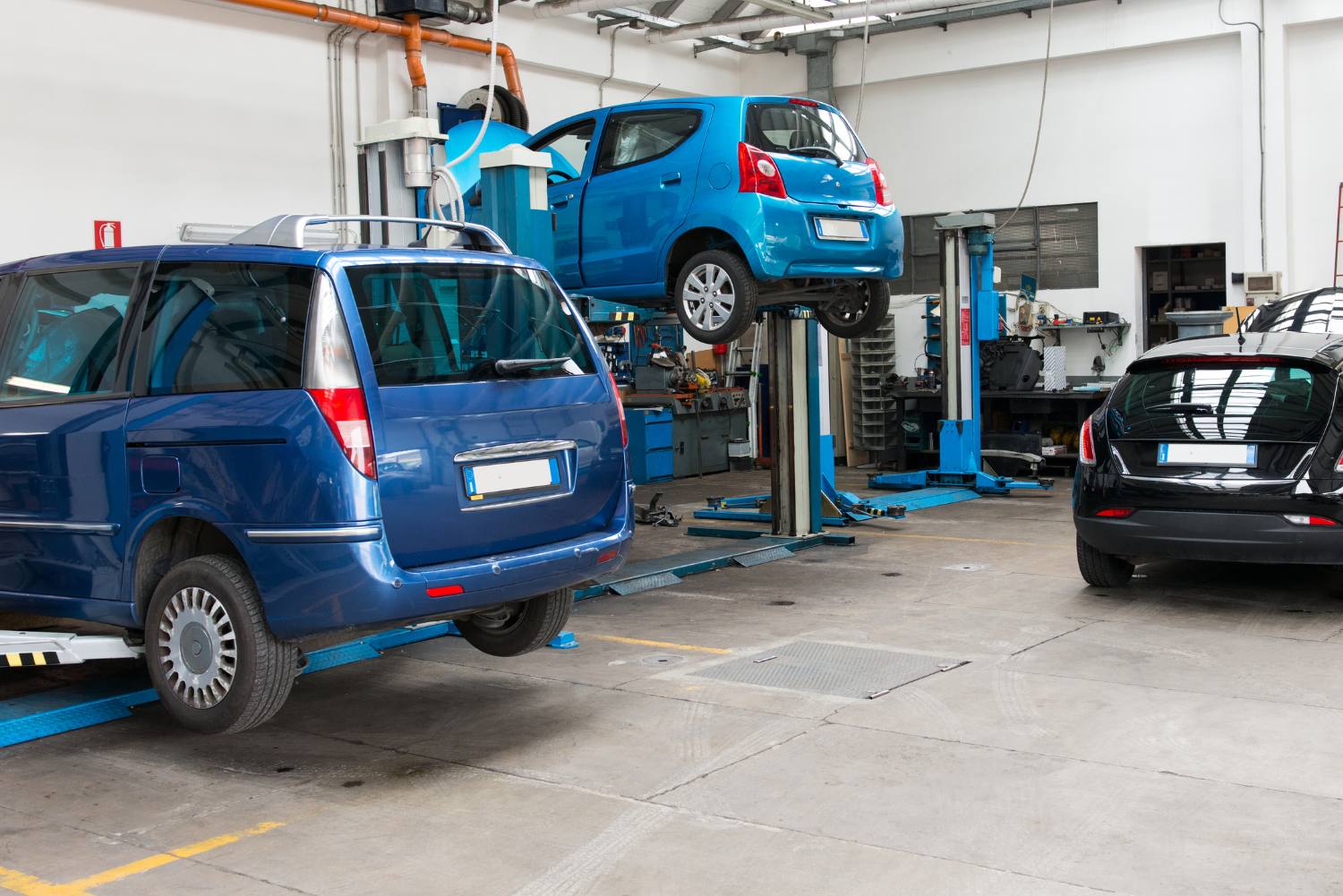
VP Auto Care’s diagnostic process includes:


