

Car ignition problems – what’s failing and what the repair costs
You’ve just been quoted $900 for a repair you weren’t expecting, and you have no idea whether that’s reasonable. Or maybe you’re planning ahead, trying to budget for the services your car will need over the next year or two. Either way, knowing what common repairs typically cost gives you a baseline – something to measure a quote against before you say yes.
These are the repairs Tullamarine mechanics see most often, with the cost ranges you’d expect to pay across the Australian market.
Prices below are general Australian market figures and will vary depending on your vehicle, the parts used, and the workshop. They’re a guide, not a guarantee.
| Problem | Typical cost | What pushes the price up | How urgent? |
|---|---|---|---|
| Ignition coil failure | Engine misfires or runs on fewer cylinders | $200–$500 per coil | Book this week |
| Worn spark plugs | Rough idle, sluggish acceleration, hard starting | $100–$300 (full set) | Book soon |
| Starter motor failure | Clicking or nothing when you turn the key | $350–$900 | Can’t drive – needs immediate attention |
| Ignition switch or barrel | Key won’t turn, intermittent no-start | $250–$550 | Book soon – will get worse |
| Crank angle sensor failure | Sudden stalling, no-start with no warning | $200–$450 | Can’t drive – needs immediate attention |
What does an ignition coil failure feel like?
This is the most common ignition fault in modern cars, and the one your mechanic sees most often.
Symptoms you’ll notice:
- Engine misfires or stumbles, especially under load – merging onto the Tullamarine Freeway, accelerating from a roundabout
- Loss of power that comes and goes
- Engine warning light on the dashboard
- Higher fuel consumption than normal
- Rough or uneven idle
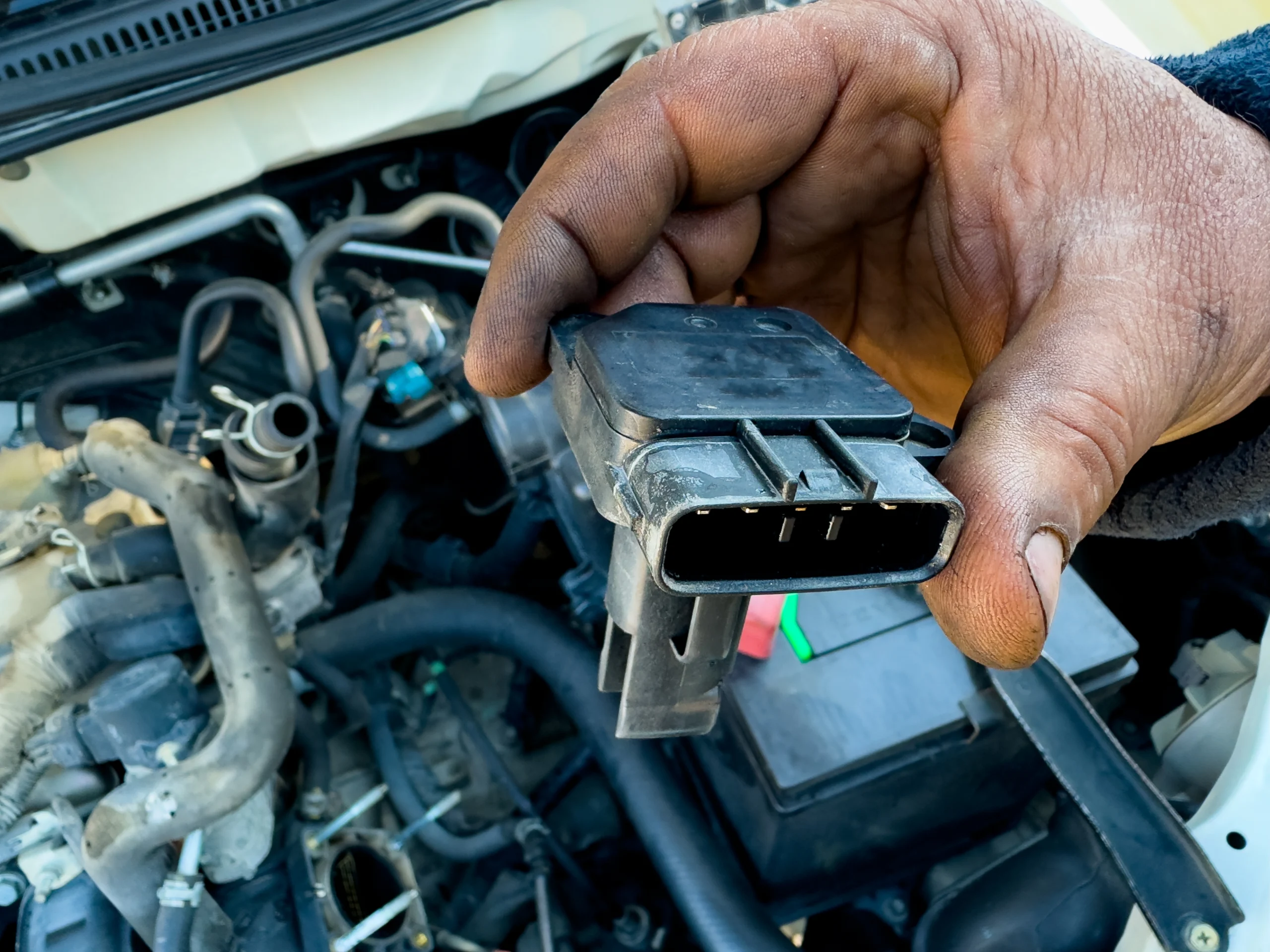
Most cars built in the last 15 to 20 years use a coil-on-plug system, meaning each cylinder has its own ignition coil sitting directly on top of the spark plug. When one coil fails, only that cylinder is affected. The engine keeps running, but it’s down on power and running rough.
What you’ll pay: $200 to $500 per coil replaced, including parts and labour. The coil itself costs $50 to $150 depending on the brand and vehicle. Labour is usually quick because the coils are accessible on most engines – your mechanic unplugs the electrical connector, unbolts the coil, and swaps it. Some workshops recommend replacing all coils at once if the car has high kilometres, but this isn’t always necessary. A diagnostic scan will confirm which coil has failed.
How urgent is it? Don’t ignore this one. A misfiring cylinder dumps unburnt fuel into the exhaust, which can damage the catalytic converter over time – and that’s a much more expensive repair. Book it within the week.
Could it be worn spark plugs instead?
Spark plug wear causes symptoms that overlap with coil failure, but the pattern is different.
Symptoms you’ll notice:
- Rough idle that’s consistent across all cylinders, not just one
- Sluggish acceleration – the car feels flat rather than misfiring sharply
- Harder starting, especially on cold mornings
- Gradually worsening fuel economy
- Engine warning light (in advanced cases)
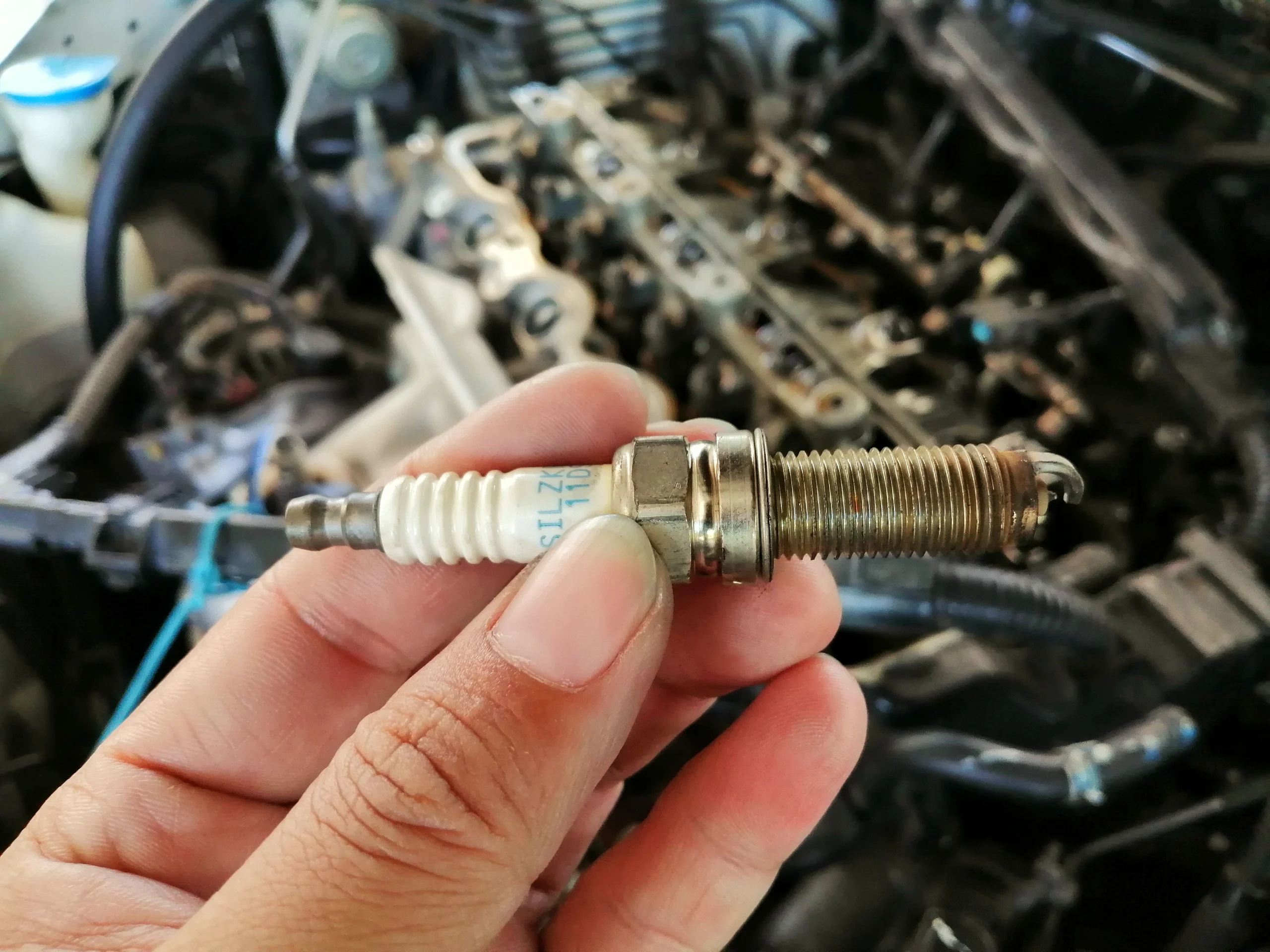
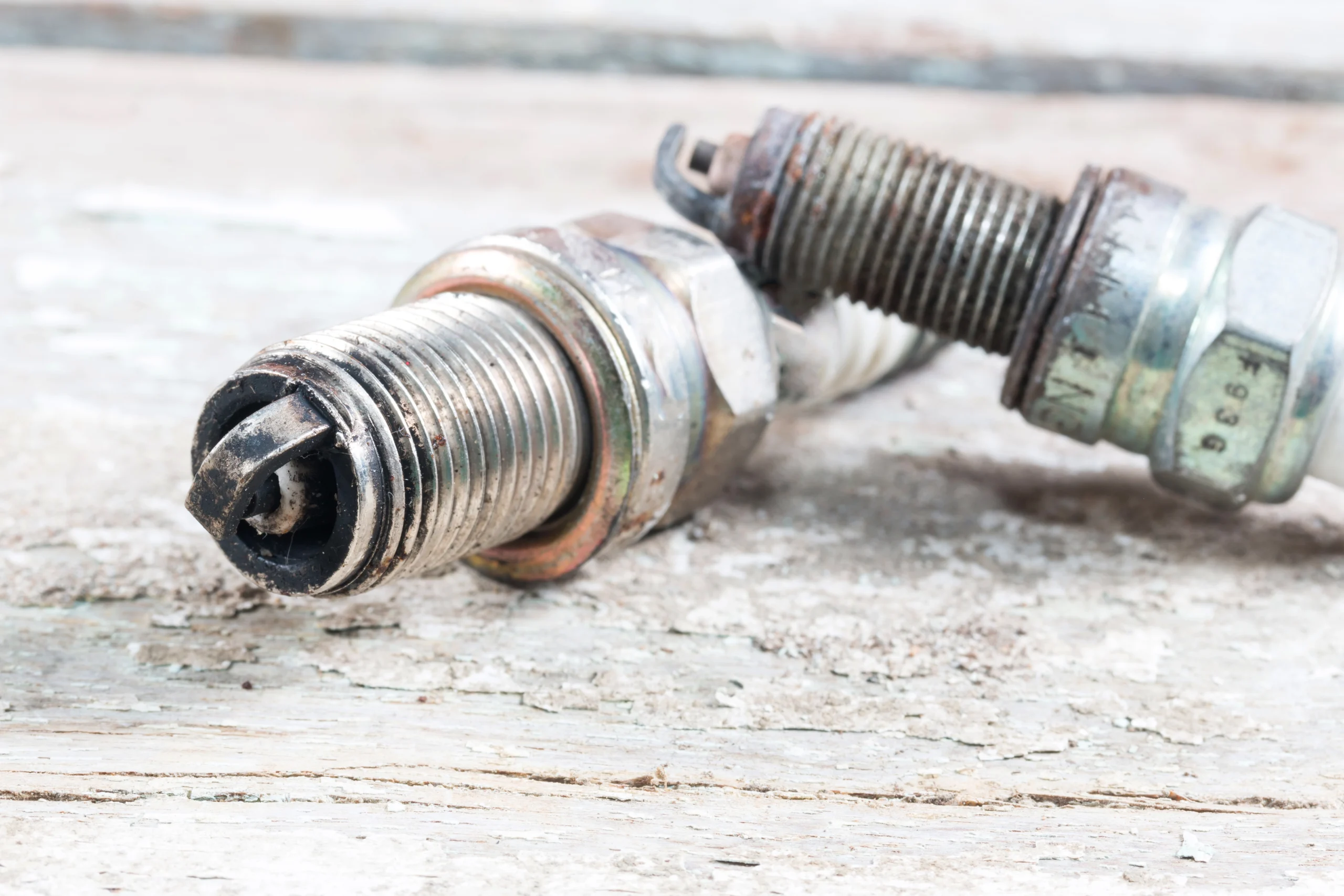
Spark plugs create the electrical spark that ignites the fuel-air mixture in each cylinder. Over time, the electrode wears down and the gap widens, making the spark weaker. How quickly this happens depends on the type of plug your car uses.
Standard copper plugs last around 20,000 to 40,000 km. Iridium and platinum plugs – fitted to most newer cars – last 60,000 to 100,000 km or more. If you’re following your logbook service schedule, your plugs should be replaced at the right intervals. But if a service has been missed or deferred, worn plugs are a likely culprit.
What you’ll pay: $100 to $300 for a full set of plugs replaced, depending on how many cylinders your engine has and which type of plug it needs. A four-cylinder car with standard plugs sits at the lower end. A six-cylinder with iridium plugs, or an engine where the intake manifold has to come off to reach the rear plugs, pushes the price higher.
How urgent is it? You can usually keep driving on worn plugs for a short while, but the longer you leave them, the harder the ignition coils have to work to compensate – which can cause the coils to fail prematurely. Get them replaced at your next service, or sooner if the engine warning light is on.
What if the engine won’t crank at all?
You turn the key and hear a rapid clicking, a single heavy clunk, or nothing at all. The dashboard lights come on, so the battery has charge – but the engine won’t turn over.
Symptoms you’ll notice:
- Rapid clicking when you turn the key (solenoid engaging but motor not spinning)
- A single loud clunk, then silence
- Nothing at all – key turns, dash lights work, but no cranking sound
- Intermittent starting – works on the third attempt, then fails the next day
- Grinding noise as the starter engages (worn drive gear)
The starter motor is an electric motor bolted to the engine block that physically spins the engine to get combustion started. Once the engine fires, the starter disengages and plays no further role until you start the car again.
Starters fail because their internal brushes wear down, the solenoid sticks, or the drive gear stops engaging the flywheel properly. They don’t give much warning – a starter that’s been reliable for 150,000 km can fail on the next start.
The battery question: Before assuming the starter motor, rule out the battery. If the dash lights are dim, the headlights are weak, or the engine cranks slowly before dying, the battery is the more likely cause. VP Autocare’s existing battery guides cover this in detail. If the electrics are strong but the engine won’t turn over, the starter is your prime suspect.
How urgent is it? If the starter has failed completely, the car won’t start – you’ll need a tow or a mobile mechanic. If it’s intermittent (works on the second or third try), get it looked at before it leaves you stranded.
What you’ll pay: $350 to $900, depending on the vehicle. A straightforward replacement on a common four-cylinder car sits around $400 to $600. Cars where the starter is buried under the intake manifold or wedged against the firewall take more labour to access, pushing the cost higher. Some workshops offer reconditioned starters as a lower-cost option.
When is it the ignition switch or barrel?
This one is less common but worth knowing about, especially in older vehicles or cars with high-kilometre ignition barrels.
Symptoms you’ll notice:
- Key is physically hard to turn or feels loose and sloppy in the barrel
- Key turns but nothing happens – no dash lights, no cranking, nothing
- Intermittent no-starts with no pattern (works three times, fails on the fourth)
- Accessories like the radio work, but the engine won’t crank
- On push-button cars: start button doesn’t respond, or key fob not recognised intermittently
On older cars with a mechanical ignition barrel, the internal tumblers wear down and the barrel stops engaging the switch behind it. On newer cars with push-button start, the ignition switch itself can develop an electrical fault, or the key fob’s signal may not be reaching the immobiliser module.

What you’ll pay: $250 to $550. A barrel replacement on an older vehicle is a relatively straightforward job. On newer cars, ignition switch replacement can involve reprogramming the immobiliser, which adds labour time and complexity.
How urgent is it? An intermittent ignition switch will get worse, not better. It won’t damage other components, but it will eventually leave you unable to start the car. Book it in before that happens.
What if the engine just cuts out with no warning?
You’re driving along normally and the engine suddenly stalls. No splutter, no warning light beforehand – it just stops. You coast to the kerb, try to restart, and the engine cranks but won’t fire. Or it fires briefly and dies again.
Symptoms you’ll notice:
- Engine stalls suddenly mid-drive with no prior warning signs
- Engine cranks but won’t fire after the stall
- Intermittent rough running or hesitation that comes and goes with no pattern
- Engine warning light that appears and disappears randomly
- Longer cranking time before the engine catches
This is a classic sign of a failed crank angle sensor (also called a crankshaft position sensor). This sensor tells the engine’s computer the exact position and speed of the crankshaft, which determines when each cylinder should fire its spark plug and inject fuel. If the sensor fails, the computer loses track of the engine’s timing and shuts everything down as a safety measure.
The intermittent version of this fault is frustrating to diagnose because the engine runs fine by the time you get it to a workshop. If you experience random stalling that you can’t replicate on demand, mention the crank sensor to your mechanic – it’s worth checking.
What you’ll pay: $200 to $450 including parts and labour. The sensor itself is usually $50 to $150, and on most engines it’s accessible without major disassembly. Diagnosis is the key cost driver here – a mechanic will use a diagnostic scanner to read the fault codes and may need to monitor the sensor’s live data to confirm it’s the source of the problem.
How urgent is it? If the engine has stalled once, it will stall again. A crank sensor failure at 80 km/h is dangerous – you lose power steering and eventually power brakes. Don’t put this off.
How does a mechanic diagnose which part has failed?
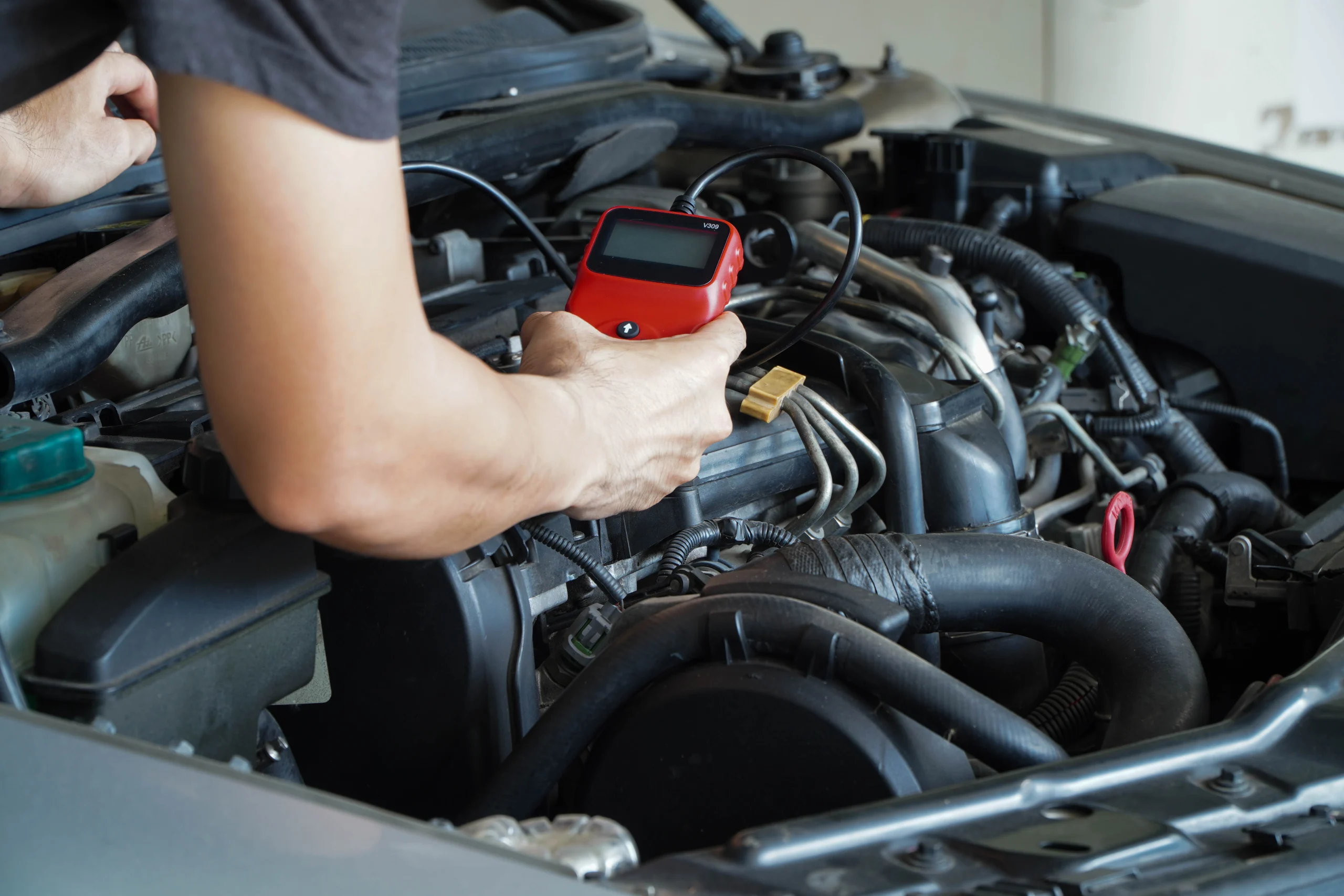
The symptoms of ignition problems overlap, which is why guessing at the cause and replacing parts blindly costs you more in the long run. A mechanic starts with a diagnostic scan to read the fault codes stored in the engine’s computer. These codes point to which cylinder or system is affected, but they don’t always name the exact failed component.
From there, the mechanic uses specific tests to isolate the faulty part:
- Live data monitoring – watching sensor readings in real time while the engine runs to spot values that drop out or read incorrectly
- Resistance and voltage checks – testing ignition coils, sensors, and the starter circuit with a multimeter to find components outside their normal range
- Swap testing – moving a suspected faulty coil to a different cylinder to see if the misfire follows it (confirms the coil, not the cylinder, is the problem)
A diagnostic scan typically costs $60 to $150. If the repair goes ahead, most workshops apply the diagnostic fee toward the total cost.
For cars that do a lot of short trips around the airport corridor – rideshare drivers, shuttle services, and daily commuters doing five-minute runs – ignition components can wear faster than average. Frequent cold starts and stop-start driving through the Western Ring Road put more demand on the starter motor, coils, and spark plugs than steady highway driving.
How much does a spark plug replacement cost?
Spark plugs are a routine maintenance item, not an emergency repair. But worn plugs cause rough idling, poor fuel economy, and sluggish acceleration – all things that cost you money in other ways.
What you’ll pay: $100–$300 for a standard set. Most four-cylinder engines use four plugs; V6 and V8 engines use more.
What pushes the price up:
- Some engines bury the spark plugs deep under intake manifolds or coil packs, adding labour time
- Iridium or platinum plugs last longer but cost more per unit
- Plugs that have been left too long can seize in the cylinder head, turning a routine job into a longer one
When should you get a second opinion?
A fair quote doesn’t just list a number – it tells you what’s being replaced, what brand of parts, and roughly how long the work takes. If a quote is missing that detail, ask for it.
Be cautious if a quote is dramatically lower than others you’ve received. Cheap quotes sometimes mean cheap parts, skipped steps, or a job that needs redoing sooner than it should. Equally, a quote that’s well above the ranges here deserves a question – not necessarily suspicion, but a conversation about what’s driving the cost.
Getting two or three quotes for any repair over $500 is standard practice. A good mechanic won’t be offended by that.
Common questions about car ignition problems
Why will my car not start when the lights still work?
Lights draw a few amps, and turning the engine over draws hundreds. A battery can run the headlights and the radio and still be too flat to crank, so the first test is a load test on the battery rather than a look at the lights. If the battery passes, the next checks are the terminals and earth strap, then the starter circuit, then the ignition side.
Can I keep driving with a misfire?
Not for long. A cylinder that is not firing sends unburnt fuel into the exhaust, and that can damage the catalytic converter, which costs more to replace than the coil or plug that caused it. If the engine light is flashing rather than steady, stop driving and have the car looked at.
How long do spark plugs last?
It depends on the engine, not on one interval, and the published Australian schedules sit a long way apart. Spark plugs are listed at 60,000 km on the 25MY Mitsubishi ASX and the Mazda CX-9, 70,000 km on the Kia 1.0 T-GDi, 90,000 km on the 22MY ASX and 150,000 km on the Kia 1.2 MPI. Your logbook carries the figure for your car.
Is it the ignition coil or the spark plug?
The symptoms overlap, so it is diagnosed rather than guessed. A scan tool reads which cylinder is misfiring and what the engine management has stored, and moving the coil to another cylinder shows whether the misfire follows it. Plugs are usually replaced as a set; a coil is replaced on the cylinder that failed.
Why does nothing happen at all when I turn the key?
Usually not the ignition switch. The short list for no crank is a flat or failing battery, a loose or corroded connection, the starter motor or its solenoid, a gear selector or clutch switch that is not making contact, or an immobiliser that has not recognised the key. The switch is on the list, but it is not the first thing to check.
If your car isn’t starting or running right, don’t keep turning the key and hoping
Ignition problems rarely fix themselves, and some – like a failing crank sensor or a misfiring coil – get more expensive the longer you leave them. If something feels off, a diagnostic scan is the quickest way to find out what’s going on before it becomes a bigger job.


