

Does your car AC struggle around Melbourne Airport?
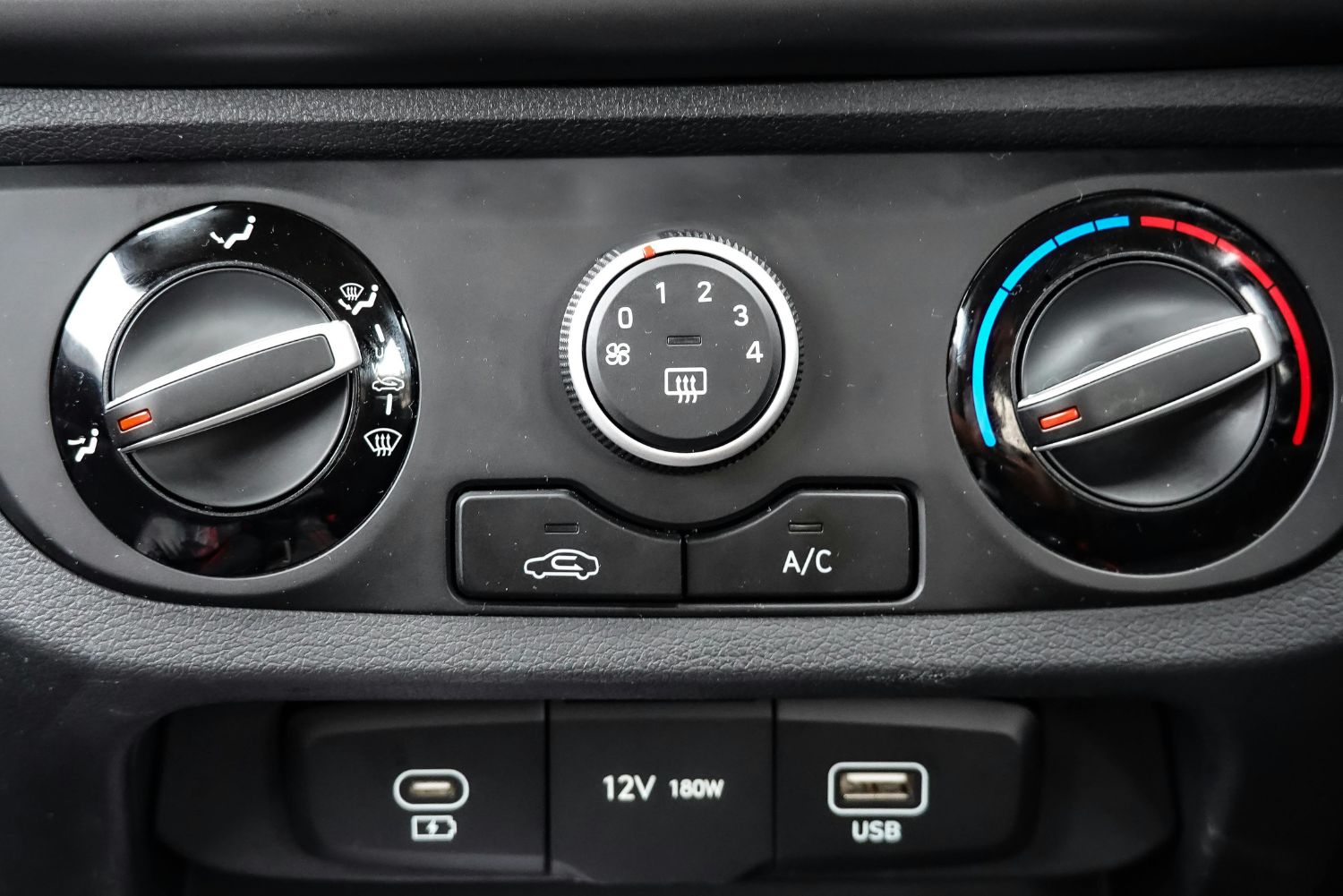
A hotter microclimate than surrounding suburbs
Melbourne Airport sits on a wide expanse of concrete and asphalt. These surfaces trap heat throughout the day. Jet engines and ground vehicles add more heat to the air. Temperatures in the precinct can be noticeably higher than in Westmeadows or Gladstone Park.
Higher starting temperatures mean an AC system needs more time to cool the cabin. This load begins the moment the engine starts.
Why AC works harder at idle
Car air conditioning relies on a compressor driven by the engine. At idle, the compressor produces less cooling pressure. When the car is moving, airflow across the condenser improves, and cooling becomes more efficient.
Airport roads create the opposite situation.
Common conditions around the terminals include:

Short, high-load journeys intensify strain on the system
Many trips to the airport are short. Drivers often come from Tullamarine, Keilor Park, Airport West, or Broadmeadows. These journeys give the AC very little time to stabilise.
A typical sequence looks like this:
Passengers and luggage affect cabin cooling
The AC system does more than cool the air. It removes heat from the seats, side panels, dashboard, and anything else inside the vehicle. More passengers and more luggage increase the heat load.
Airport travel often involves:
Symptoms drivers usually notice around the airport
Many drivers report similar signs when passing through the precinct.
Common AC symptoms include:
Mechanical issues that airport conditions highlight
If the AC system is already slightly weakened, airport driving exposes the problem quickly.
Typical underlying causes include:
| Issue | Reason |
| Low refrigerant | Reduces cooling power, especially at idle |
| Blocked cabin filter | Restricts airflow and slows cooling |
| Weak compressor | Works at speed but struggles when stationary |
| Condenser blockage | Leaves, debris, or minor obstruction reduce heat dissipation |
| Ageing ventilation parts | Fans or blend doors struggle under load |
Why Tullamarine drivers may notice AC issues sooner
The suburbs surrounding Melbourne Airport combine busy industrial traffic with short-distance driving. Drivers often move through:
So does AC struggle at Melbourne Airport?
The system does not fail because of the location.
It simply works harder.
Airport conditions create:
increased heat exposure
reduced airflow
higher cabin loads
long idling periods
short recovery times
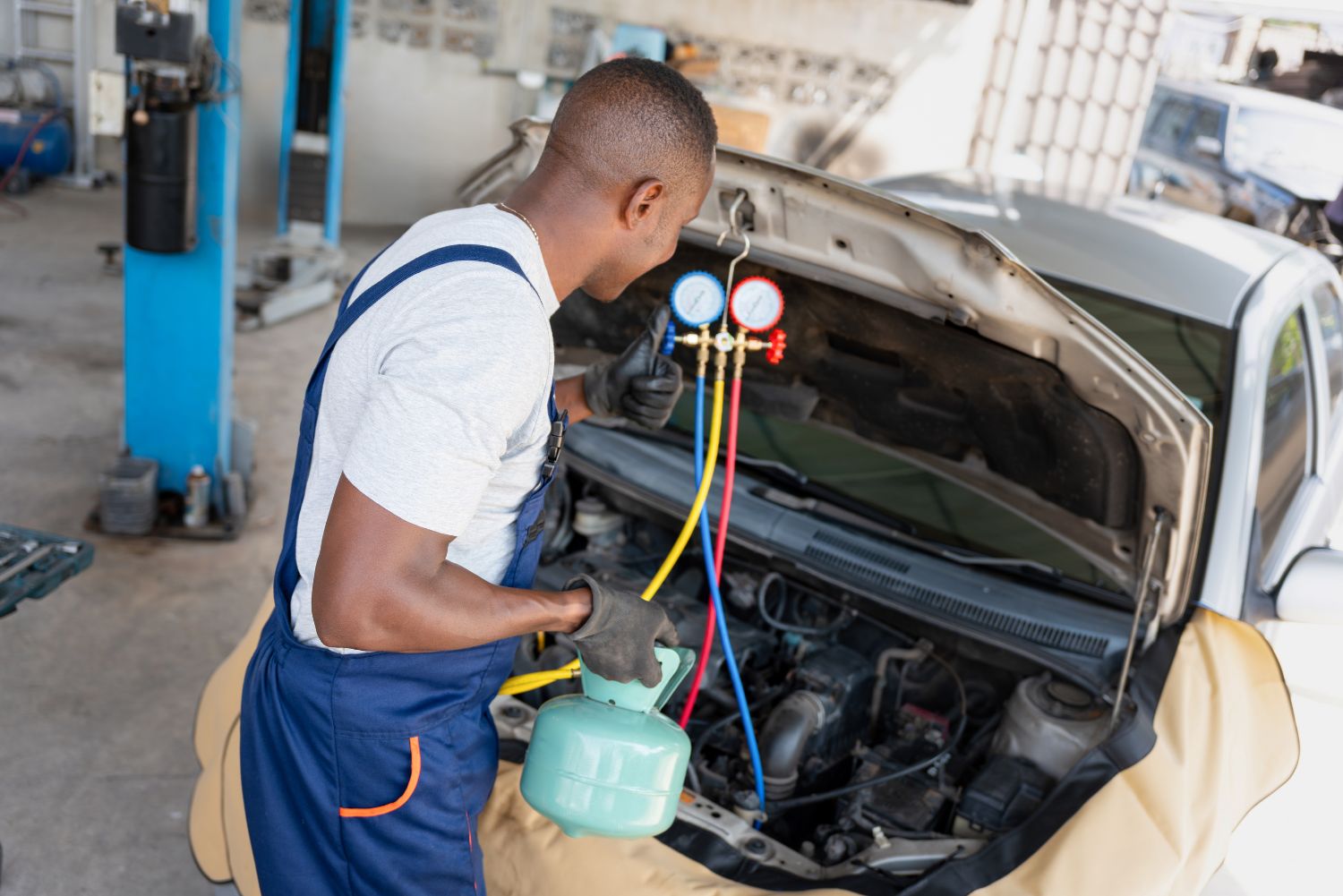
How Tullamarine drivers can stay ahead of AC performance issues
Drivers who frequently use airport roads often benefit from:
Check your car AC before Summer
The precinct around Melbourne Airport forms a unique driving environment. It is warmer, slower and more demanding on AC systems than most of Melbourne’s suburban routes. Some drivers may notice their AC struggling only in this area. Others experience it more broadly once the system weakens.
Knowing why the symptoms appear helps drivers judge whether the system is behaving normally or showing signs that a professional inspection may be due.


