

Why Brake Shudder Is So Common in Melbourne’s Stop–Start Traffic
The issue is especially noticeable across Melbourne’s northern suburbs, where long commuting corridors, freight routes and stop–start traffic put consistent pressure on braking systems. For many drivers, the first sign is a faint tremor when braking on the Tullamarine Freeway or approaching the roundabouts and industrial intersections around Tullamarine, Gladstone Park and Airport West. Over time, that vibration becomes hard to ignore.
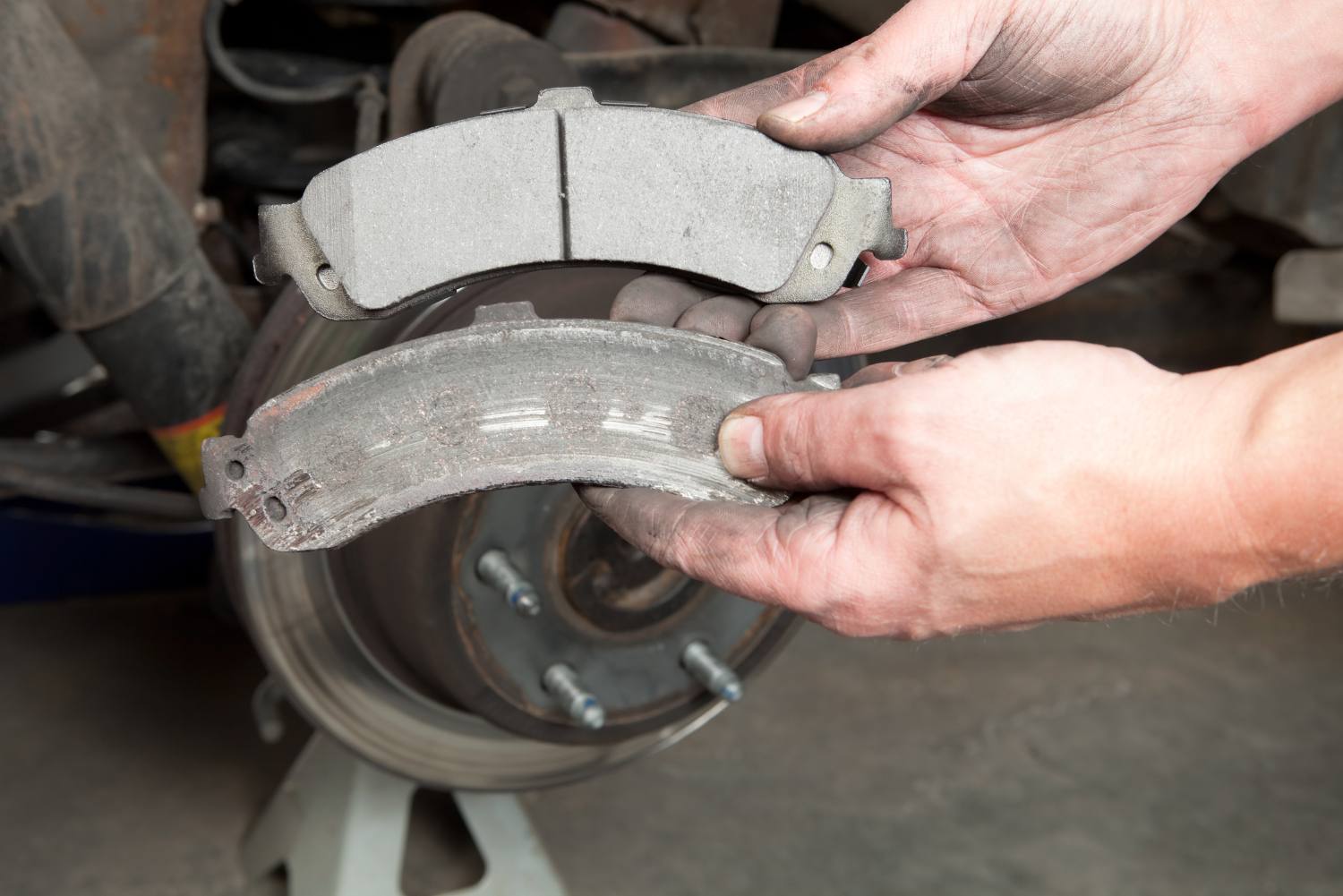
Why braking conditions in Melbourne create the perfect environment for shudder
1. Stop–start traffic increases heat cycles
In congested areas like Melrose Drive, Mickleham Road or the Airport West retail strip, drivers brake far more often than they realise. Each stop heats the brake components a little more. Each release cools them a little less.
Over many cycles, that heat can cause uneven rotor thickness, the most common mechanical cause of shudder.
2. High-speed to low-speed braking on freeways
Long runs on the Tullamarine Freeway or CityLink often end in heavy braking when traffic suddenly compresses. These sharper decelerations force the brake rotors to absorb a lot of heat in a short time.
If the rotors are already worn, the heat spreads unevenly and the vibration becomes more noticeable.
3. Short urban trips don’t allow brakes to cool properly
Many Melbourne trips involve brief drives between suburbs — Tullamarine to Gladstone Park, for example, or Essendon Fields to Strathmore. Short distances and repeated braking prevent the brake system from ever fully cooling.
This continuous heat load can accelerate rotor and pad wear.
What drivers actually feel when brake shudder begins
Brake shudder often starts gradually. Most drivers describe early symptoms like:
These sensations aren’t dangerous by themselves, but they are a sign that the braking system isn’t distributing pressure evenly — something worth assessing before it gets worse.
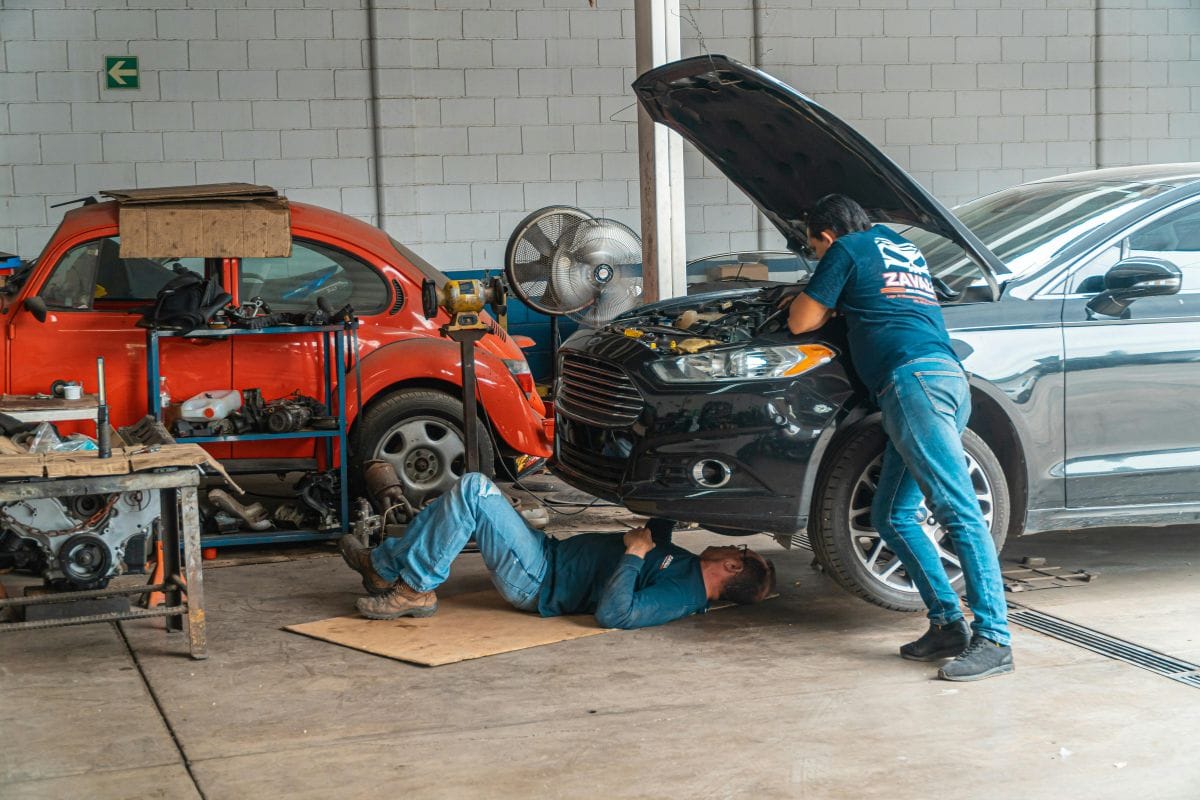
The most common mechanical causes of brake shudder
Uneven brake rotor thickness
Heat and age can cause the surface of a rotor to wear unevenly. Once this happens, the pads press against slightly higher and lower points as the wheel turns, creating the familiar vibration.
Brake pad material transfer
Sometimes the issue isn’t the rotor itself, but a thin layer of pad material that has bonded to it. This creates high spots that the pads catch on during braking.
Rotor overheating
Aggressive braking, towing, or long downhill stretches can cause rotors to overheat. When they cool too quickly, they can harden unevenly, leading to future shudder.
Worn suspension or steering components
In a smaller number of cases, worn control arm bushes, tie rods or wheel bearings can amplify vibrations that appear under braking.

Why do the symptoms of brake shudder get worse over time?
A mild vibration may stay mild for a while, but it rarely disappears.
Drivers often notice three stages:
Only noticeable when braking at higher speeds.
Stage 2: Steering shake
Becomes more obvious at suburban speeds. The wheel feels less stable.
Stage 3: Broad vibration
The shudder can be felt through the cabin floor, especially in heavier cars or SUVs.
Why Melbourne drivers shouldn’t ignore brake shudder
Brake shudder doesn’t usually indicate immediate danger, but ignoring it can lead to:

What happens during a brake shudder assessment
A typical assessment at a local workshop involves:
- Road test to reproduce the vibration at different speeds
- Rotor thickness measurement with a dial gauge
- Brake pad inspection
- Suspension and steering checks
- Assessment of rotor condition (scoring, hotspots, heat marks)

Why local workshops often see these issues first
Workshops based in suburbs like Tullamarine deal with a unique mix of:
When to book an inspection
Drivers should consider booking an inspection if:

Routinely Checking for Brake Shudder
Brake shudder is not unusual, and it is not a reflection of poor driving. It’s a mechanical response to the conditions of modern urban traffic — conditions that Melbourne, with its mix of freeways, congestion and short trips, has in abundance. Understanding the cause can help drivers act sooner and keep their vehicles stopping smoothly, no matter the road ahead.


