

Brake pedal feels different? When brake repair should not wait
If the brake pedal suddenly feels soft, low, rough, spongy or different under your foot, do not treat it as just another noise to monitor. Brake repair should not wait when the pedal feel changes, the car pulls under braking, you hear grinding, or the brake warning light appears.
A brake problem does not always arrive as a dramatic failure. It may start as a longer stopping distance, a pedal that sinks further than usual, a vibration through the steering wheel, or a scraping sound on the way home. VP Autocare in Tullamarine can inspect brake noise, pedal changes, ABS issues, handbrake concerns and other brake repair symptoms before the fault becomes harder to control.
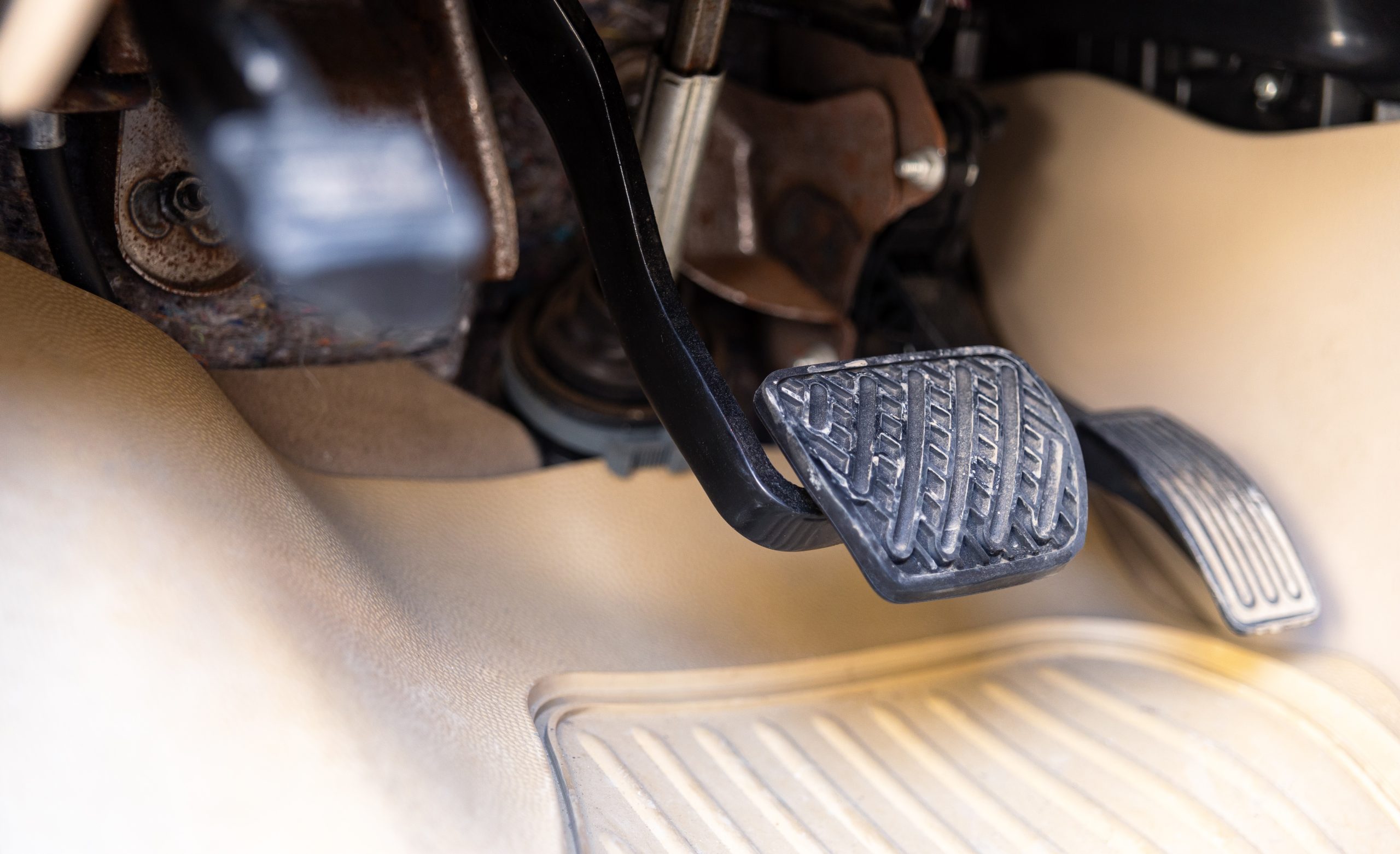
What brake symptoms should not wait?
Brake symptoms should not wait when the car no longer stops or responds in its usual way. A small noise can sometimes be booked in for inspection, but a change in braking feel should be treated more seriously.
| What you notice | What it may point to | What to do next |
|---|---|---|
| Soft or spongy brake pedal | Air, fluid issue, hydraulic leak or internal brake fault | Do not keep driving if the pedal feels unsafe |
| Brake pedal sinks while stopped | Possible hydraulic pressure loss or master cylinder issue | Book urgent inspection |
| Grinding under brakes | Worn pads, rotor contact, trapped debris or damaged hardware | Stop using the car if the noise is heavy |
| Car pulls to one side | Brake imbalance, caliper issue, tyre problem or suspension fault | Have it checked before freeway driving |
| Brake pedal vibration | Rotor runout, uneven brake surface, wheel or suspension issue | Book a brake inspection |
| Brake warning light or ABS light | Fluid level, ABS sensor, electronic or hydraulic issue | Get the warning checked |
| Burning smell after braking | Dragging brake, overheated brake part or seized component | Let the car cool and book inspection |
A brake inspection does not mean the most expensive repair is coming. It means the workshop needs to find the cause before parts are replaced.
When brake repair should not wait
Brake repair should not wait if the pedal goes soft, the car takes longer to stop, or the pedal sinks closer to the floor than normal. Those symptoms can point to a hydraulic issue, and the driver may not have the same braking response on the next stop.
Grinding brakes also need fast attention. A light squeal can be a warning sign, but a grinding sound often means metal may be contacting metal or a brake part is damaged. Continuing to drive can damage rotors, calipers or other parts and may reduce braking performance.
A brake warning light should also be taken seriously. Warning lights do not tell the whole story, but they tell you the car has detected something that needs checking. If the brake warning light comes on with a soft pedal, fluid leak, burning smell or poor braking, the safest next step is to stop driving and arrange inspection.
When can you book a brake inspection without panic?
Some brake symptoms are less urgent, but they still should not be ignored. A light squeal, mild vibration or handbrake adjustment issue may be suitable for a booked brake inspection if the car is still stopping normally and there are no warning lights.
The key is whether the braking feel has changed. If the car still stops straight, the pedal feels normal and the noise is light, you may be able to book the car in rather than stop immediately. If the pedal feel has changed, the car pulls hard, or the noise becomes grinding, the situation moves from routine inspection to urgent brake repair.
It is also worth paying attention to patterns. A noise that only appears when reversing out of the driveway may have a different cause from a vibration that appears every time you brake from freeway speed. The more specific you can be, the easier it is for the mechanic to start in the right place.
What causes a soft brake pedal?
A soft brake pedal can be caused by air in the brake hydraulic system, worn brake parts, old or contaminated fluid, a leak, or a fault in a hydraulic component. The exact cause needs inspection because the pedal feel alone is not enough to confirm the repair.
Modern brakes rely on hydraulic pressure. When you press the pedal, brake fluid transfers force to the brake components at the wheels. If pressure is lost, reduced or inconsistent, the pedal may feel soft, low or spongy.
This is why topping up fluid is not a full diagnosis. Low brake fluid may be a symptom of worn brake pads or a leak. If the fluid level has dropped, the workshop needs to find out why before the car is treated as safe.
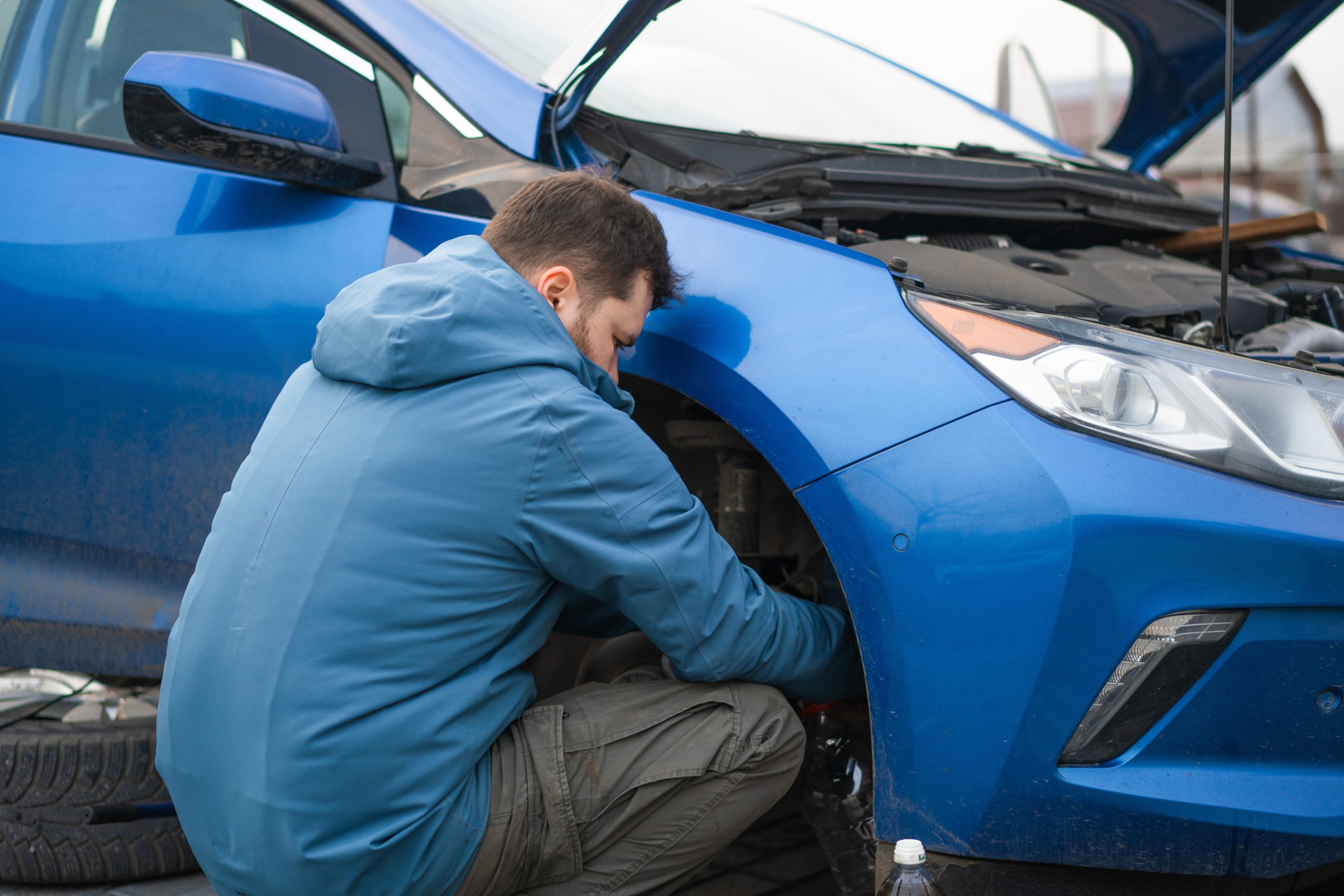
What causes grinding brakes?
Grinding brakes can be caused by worn brake pads, damaged rotors, trapped debris, seized parts or brake hardware problems. The sound should be checked quickly because it can move from a noise issue to a safety and repair-cost issue.
Brake pads are designed to wear over time. When the friction material is too low, the brake system may start making harsher noise. If the pad material has worn away far enough, the rotor may be damaged each time the brakes are applied.
A grinding noise is different from a brief surface noise after rain or washing. Surface rust can sometimes clear after the first few light stops. Heavy grinding, repeated scraping or noise with reduced braking feel should be treated as a brake repair booking, not a wait-and-see issue.
Why does the brake pedal vibrate?
Brake pedal vibration can come from uneven rotor surfaces, rotor runout, brake pad deposits, wheel issues, steering faults or suspension wear. The driver may feel the vibration through the pedal, steering wheel or whole car.
The speed and situation matter. Vibration while braking from higher speed may point the mechanic toward rotors, wheels or front-end components. Vibration at low speed may need a different inspection path.
Do not assume every brake vibration is only a brake pad problem. Tyres, wheel bearings, steering and suspension can also affect how the car feels under braking. A proper brake inspection should look beyond the pads if the symptoms point wider.
What VP Autocare checks during a brake inspection
A brake inspection checks the parts that stop the car and the related parts that affect how the car behaves under braking. The starting point is the symptom, not a generic checklist.
Depending on the issue, VP Autocare checks the relevant brake and safety systems, including:
- Brake pads and shoes
- Brake rotors and drums
- Brake fluid level and condition
- Brake hoses and lines
- Calipers and wheel cylinders
- Master cylinder and hydraulic operation
- ABS warning lights and related sensors
- Handbrake operation
- Tyres, steering and suspension if the car pulls or vibrates
- Signs of overheating, leaks or uneven wear
If the issue is safety-related, the workshop can explain whether the car should be driven, repaired soon or monitored. The answer may depend on the inspection result, not just the noise the driver has described.
Why Tullamarine driving can make brake symptoms show up
Short trips, airport runs, freeway driving and work-vehicle use can all make brake symptoms easier to notice. A car used mostly for local stop-start driving may show brake noise or pad wear differently from a car that spends more time on the freeway.
Tullamarine drivers may also move between low-speed industrial roads, airport traffic and freeway speeds in one trip. That mix can reveal different symptoms. A car might feel normal around local streets but vibrate when braking from higher speed. A work vehicle may also place more load on brakes, tyres and suspension.
The location does not change how brakes work. It can change how the car is used, and that use matters when the workshop decides where to start.
What should you tell the workshop before booking?
The best brake repair conversation starts with clear symptoms. The workshop does not need a technical diagnosis from you. It needs the details you noticed while driving.
Tell the workshop:
- When the symptom started
- Whether the pedal feels soft, low, hard or normal
- Whether the car pulls left or right under braking
- Whether the noise is squealing, scraping or grinding
- Whether the steering wheel or pedal vibrates
- Whether the brake warning light or ABS light is on
- Whether the issue happens hot, cold, at low speed or on the freeway
- Whether the car has had recent tyres, suspension work or brake repairs
- Whether the car is used for work, towing or heavy loads
A useful booking line might be: “The brake pedal feels softer than usual and the car pulls slightly left when braking from speed. It started this week and there is no warning light.”
That sort of detail helps the mechanic decide whether the first step should be a test drive, brake inspection, fluid check, hydraulic check or wider steering and suspension check.
Do not wait for the brake warning light
Not every brake problem will trigger a warning light. A car can have worn pads, rotor vibration, a sticking caliper or brake noise without the dashboard showing a fault.
The warning light is one clue, not the only clue. The pedal, sound, smell and stopping behaviour matter just as much. If the car feels different under braking, the safest approach is to have it checked before the new feeling becomes normal to you.
Brake problems are easier to judge when they are inspected early. Waiting can make the fault harder to diagnose and may damage parts that could have been saved.
Book brake repair before the symptom becomes normal
A different brake pedal is not something to get used to. If the car feels different under braking, makes grinding noises, pulls to one side or shows a brake warning light, book a brake inspection with VP Autocare before you keep using it as normal.
When booking, tell the workshop what changed, when it happens and how the car is used. That gives the mechanic a better starting point than simply asking for ‘brakes repair’ or a general service.


