

How Do You Know If Your Brake Pads Are Worn Out?
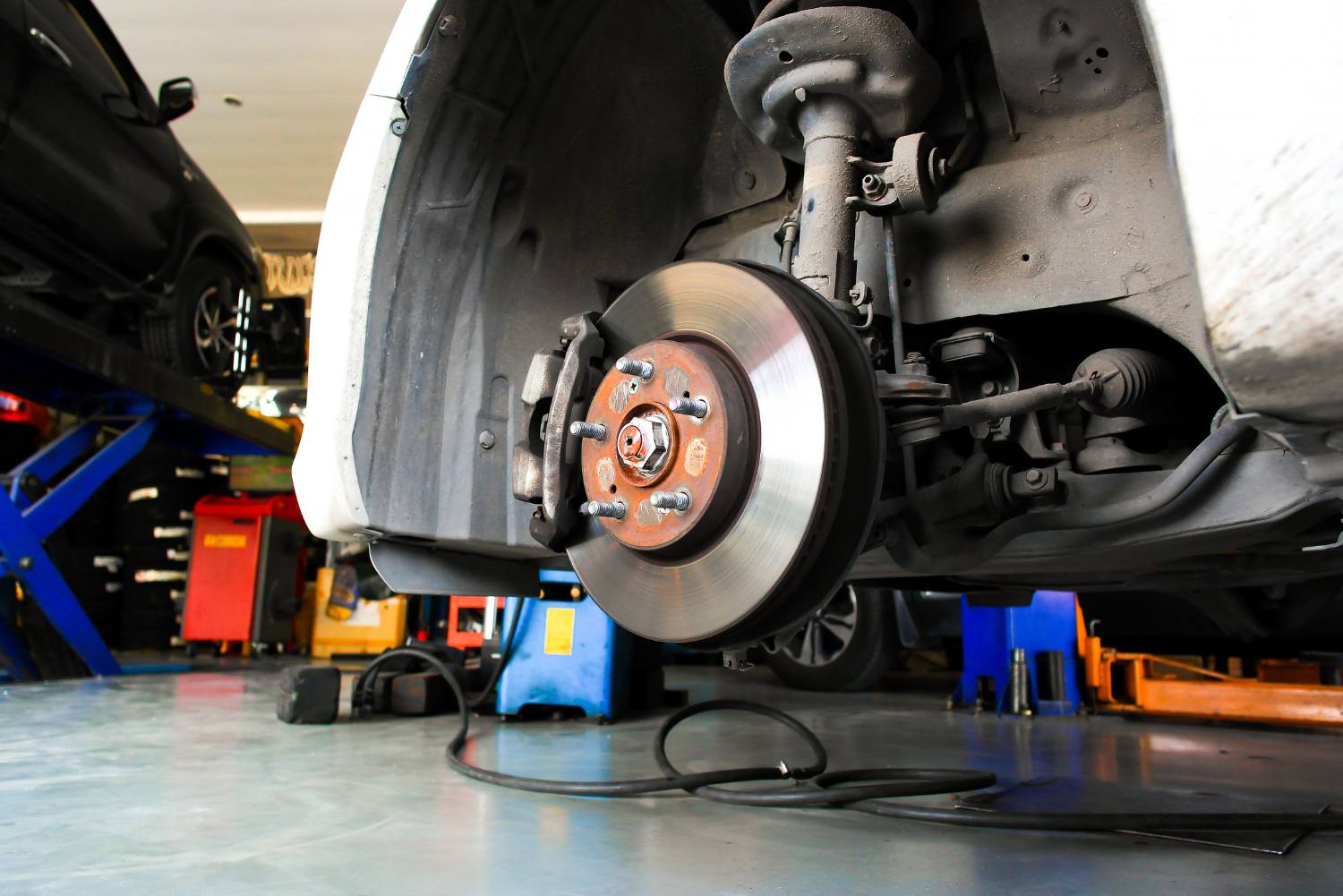
Early and Late Warning Signs
Brake pads are designed to make noise before they fail completely.
Ignoring these early symptoms can allow the pad material to wear down to metal, damaging the rotor.
| Warning Sign | What It Means | Action |
|---|---|---|
| Squealing or high-pitched noise | Pad wear indicators contacting the rotor | Schedule inspection soon |
| Grinding sound | Pad material worn through to metal backing | Stop driving and have brakes serviced immediately |
| Brake warning light (if fitted) | Electronic wear sensor triggered | Confirm pad thickness before next trip |
| Longer stopping distances | Pads or rotors have lost friction efficiency | Inspect pads and fluid condition |
| Vibration or pulsing under braking | Uneven pad wear or rotor surface damage | Check both pads and rotors for runout |
| Soft or sinking pedal | Air or fluid issue may accompany worn pads | Book immediate inspection |
Visual Indicators You Can Check
Some brake wear can be seen without removing the wheel.
Look through the wheel spokes using a torch — the outer brake pad is visible against the rotor.
What to look for:
Quick home checks:
If you notice any of these signs, have the brakes inspected promptly. Measuring pad thickness accurately requires removing the wheel — a task best left to a qualified technician.
DIY vs. Professional Checks
| Check | Safe for Drivers | Mechanic Required |
|---|---|---|
| Listening for noise or feeling pedal changes | ✅ | |
| Visual pad inspection through wheel | ✅ | |
| Measuring pad material with gauge | ✅ | |
| Checking rotor surface or runout | ✅ | |
| Bleeding or topping brake fluid | ✅ | |
| Removing wheel and caliper | ✅ |
Working on brake components requires specialised tools and torque settings. Improper reassembly can lead to fluid leaks or uneven braking.
Consequences of Ignoring Worn Pads
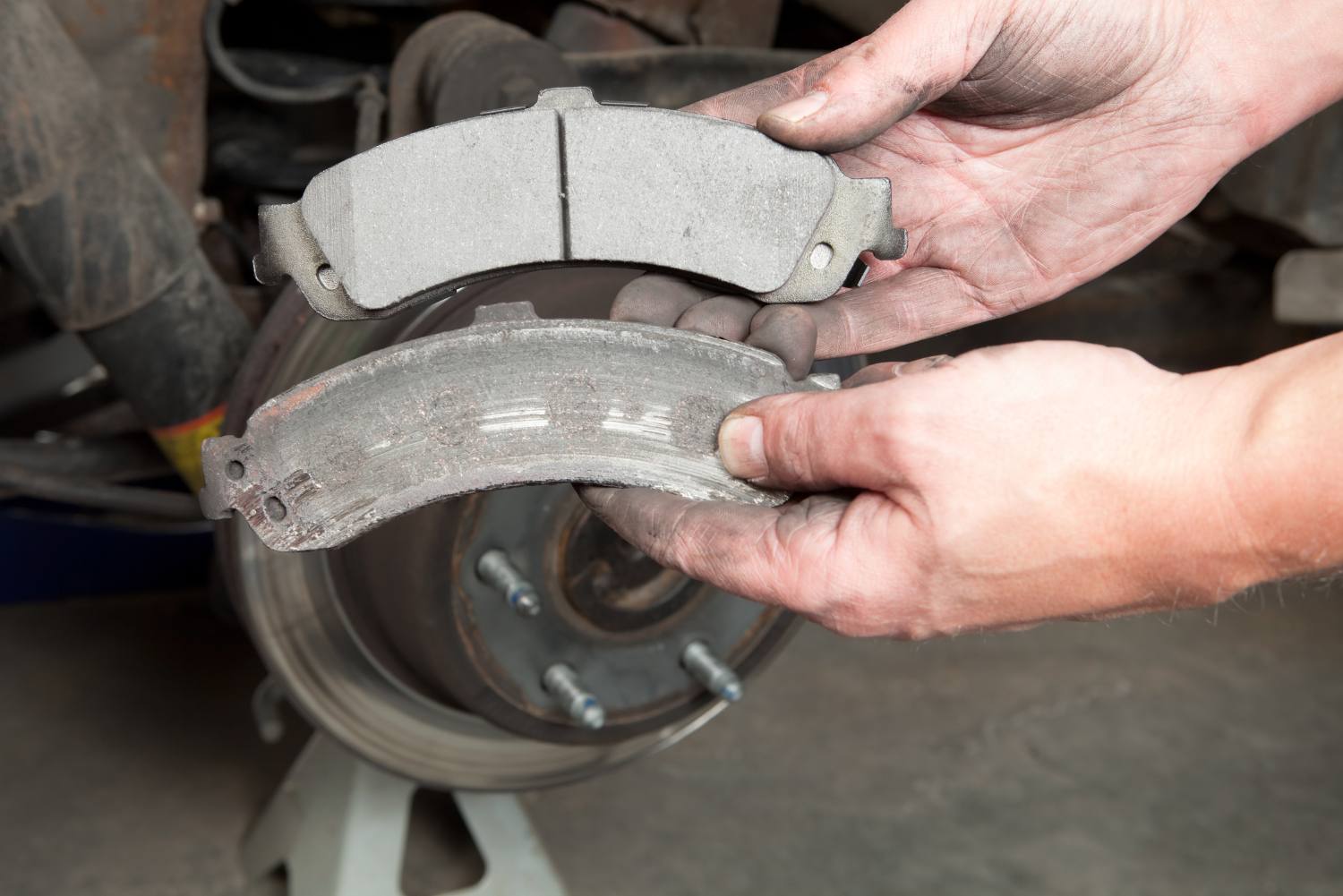
Delaying brake pad replacement doesn’t just affect stopping distance — it can multiply repair costs.
Potential outcomes:
Rotor damage:
Metal-on-metal contact scores or warps the rotor surface.
Increased braking distance:
Less friction means slower deceleration in emergencies.
ABS interference:
Worn pads can cause sensor errors or inconsistent braking.
Higher replacement cost:
Neglect often means replacing pads, rotors and sensors together instead of pads alone.
Safety note:
If the brakes squeal, grind, or feel spongy, do not continue driving long distances. Friction material may already be gone, and stopping ability is reduced.
How VP Auto Care Checks Brake Pads
Brake inspections are part of every routine service at VP Auto Care Melbourne.
Technicians check pad thickness, rotor condition and brake fluid quality using precision tools and manufacturer specifications.
During a brake service, VP Auto Care:
Measures pad thickness on all four wheels
When to Replace Brake Pads
| Vehicle Type | Typical Replacement Interval | Notes |
|---|---|---|
| City or suburban use | 25,000–40,000 km | Frequent stops accelerate wear |
| Highway use | 50,000–70,000 km | Pads last longer under consistent braking |
| Performance or heavy vehicles | 20,000–30,000 km | Higher friction load reduces life span |
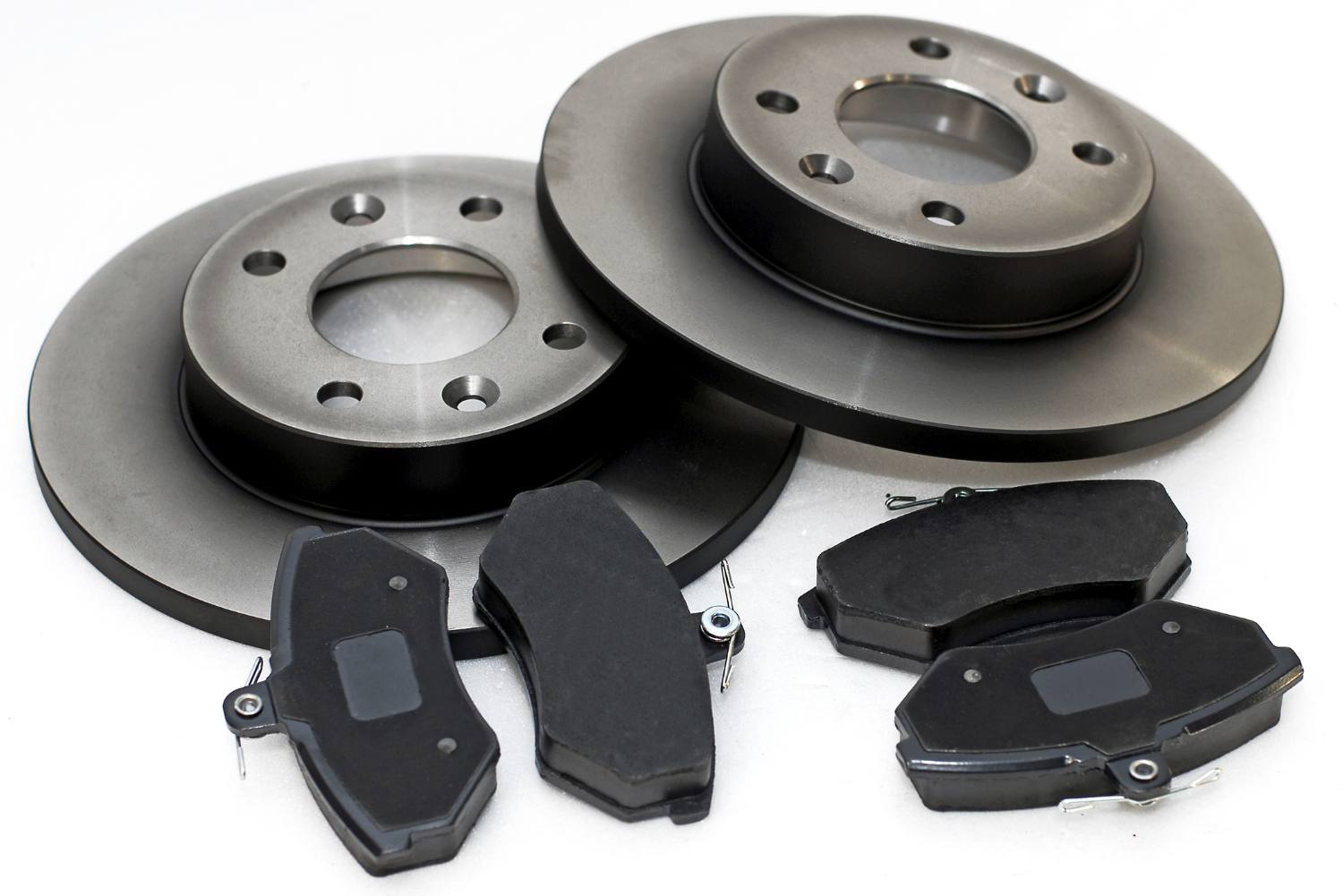
Mileage is only a guide — driving habits, terrain, and vehicle weight all influence pad wear.
Regular inspections every 10,000 km catch uneven wear before it affects safety.


